

The holiday season is approaching. And the to-do lists are growing. Between shopping for gifts, preparing Thanksgiving dinner, decorating the house, and baking family favorites, there’s plenty to keep everyone busy. Unfortunately, all that activity can leave you feeling more than a little tired. By the end of the day, your neck may feel stiff, your shoulders may ache, and your lower back may be uncomfortable. Although holiday activities bring plenty of enjoyment, they can also place unusual demands on your body. Long hours on your feet, repetitive movements, awkward lifting, and increased stress may contribute to muscle tension and discomfort.
If neck or back pain is making the holidays less enjoyable, understanding what’s contributing to your symptoms is a good place to start.
Why Holiday Activities Can Trigger Neck and Back Pain
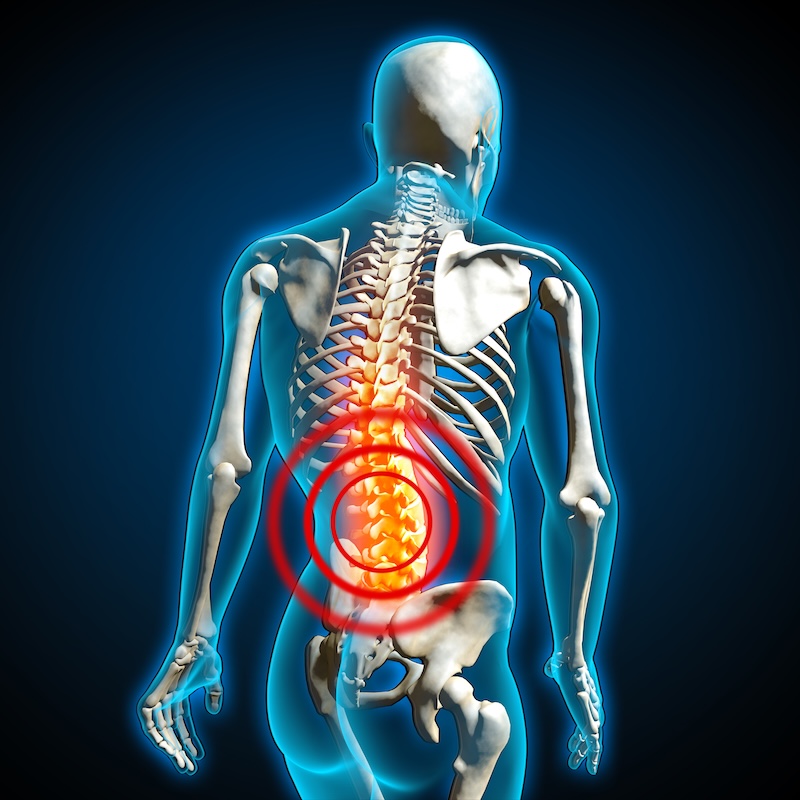
Most people don’t associate holiday preparations with physical strain. However, many seasonal activities involve movements and positions that can aggravate existing discomfort. For example, preparing a large holiday meal often means standing at the kitchen counter for extended periods. Meanwhile, shopping requires walking, carrying packages, and frequently looking down at your phone.
Decorating introduces additional challenges, especially when you’re reaching overhead or lifting storage containers. Individually, these activities may seem harmless. However, combining them with less sleep and fewer opportunities to rest can make muscle tension more noticeable.
Holiday Shopping Can Be Hard on Your Neck

Whether you’re browsing crowded stores or ordering gifts online, shopping can affect your posture. While walking through stores, you may repeatedly look down at your phone to check shopping lists, compare prices, or respond to messages. At home, online shopping can involve hours sitting in front of a computer or looking down at a tablet.
These positions may increase strain on the muscles supporting your head and neck, particularly when maintained for long periods. Carrying shopping bags can also contribute to discomfort, especially when you consistently load one side of your body.
To reduce unnecessary strain:
- Hold your phone closer to eye level.
- Distribute shopping bags evenly between both hands.
- Take breaks during lengthy shopping trips.
- Avoid carrying more weight than you can comfortably manage.
- Change positions frequently when shopping online.
Small adjustments throughout the day can help reduce the physical demands of holiday errands.
Baking and Cooking Can Leave Your Back Aching
Holiday baking often involves hours of measuring ingredients, rolling dough, decorating cookies, and washing dishes. Thanksgiving preparations may add even more time in the kitchen. Unfortunately, kitchen counters aren’t always positioned at a comfortable working height for every person.

Repeatedly bending forward while preparing food can contribute to neck, shoulder, and lower back fatigue. Likewise, standing in one position for extended periods may make existing discomfort more noticeable. Try alternating between tasks that require different movements. For example, take a short walking break after preparing ingredients or washing dishes.
When possible, keep frequently used items within easy reach. Additionally, bend at your hips and knees rather than repeatedly rounding your back to retrieve heavy cookware. If you’re preparing a large meal, consider dividing the work across several days instead of completing everything in one marathon cooking session.
Decorating Can Create Unexpected Physical Strain
Getting the house ready for the holidays often involves bringing decorations out of storage, moving furniture, and reaching into awkward spaces. Lifting heavy boxes or twisting while carrying decorations can place additional demands on your back. Meanwhile, hanging ornaments and lights may require prolonged overhead reaching.
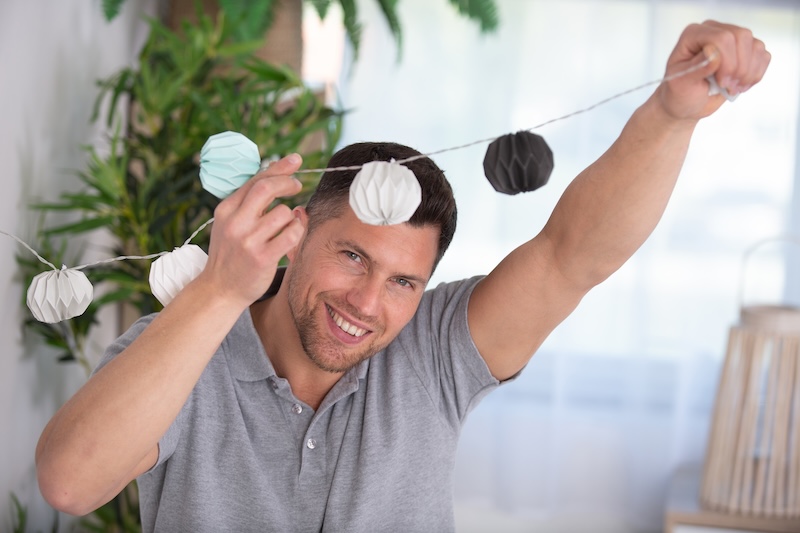
Before starting, consider how you’ll move and position each item. Use smaller containers when possible, ask for help with heavy decorations, and avoid twisting your torso while carrying a load. For overhead tasks, use appropriate equipment and take frequent breaks. Most importantly, stop if you feel sharp pain.
Holiday Stress Can Make Muscle Tension Worse
Emotional stress can also influence how your body feels. When you’re managing family gatherings, shopping budgets, work responsibilities, and travel arrangements, you may unconsciously tighten your shoulders or clench your jaw. Stress can also interfere with sleep, making it harder to feel rested and recover from demanding days.
Over time, these factors may contribute to increased muscle tension or make existing pain feel more intense. Consider taking short walks, practicing relaxed breathing, maintaining a consistent sleep schedule, and setting realistic expectations for your holiday plans. Set aside a little time to recover between the busiest days.
How Your Upper Cervical Spine Relates to Posture
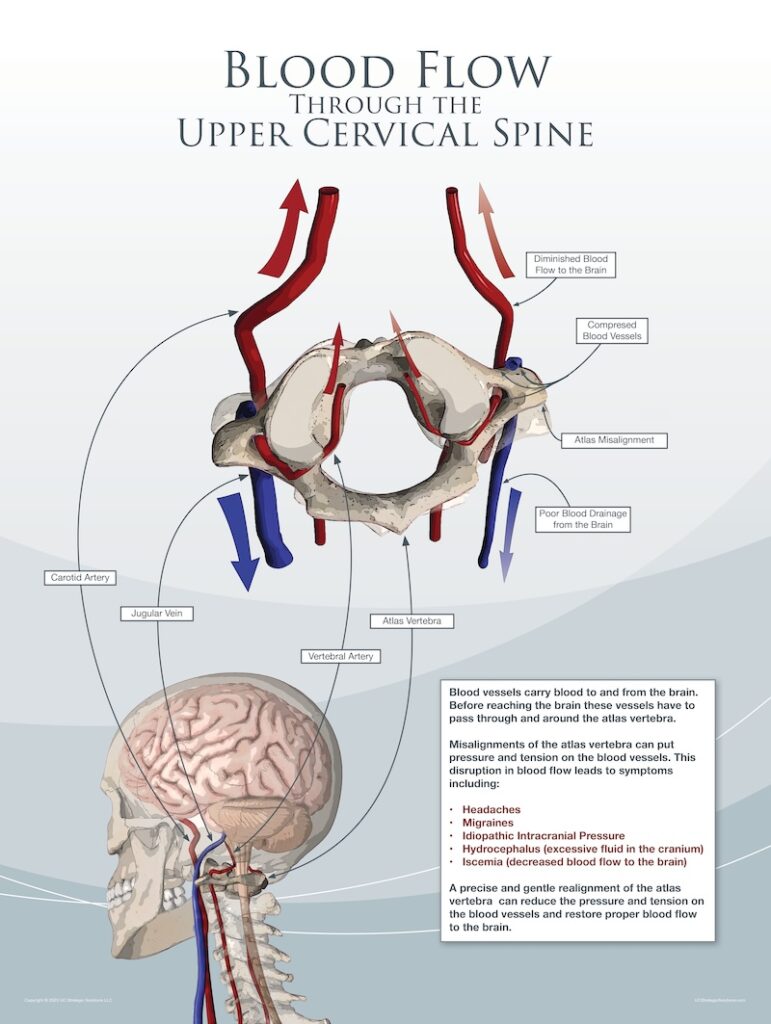
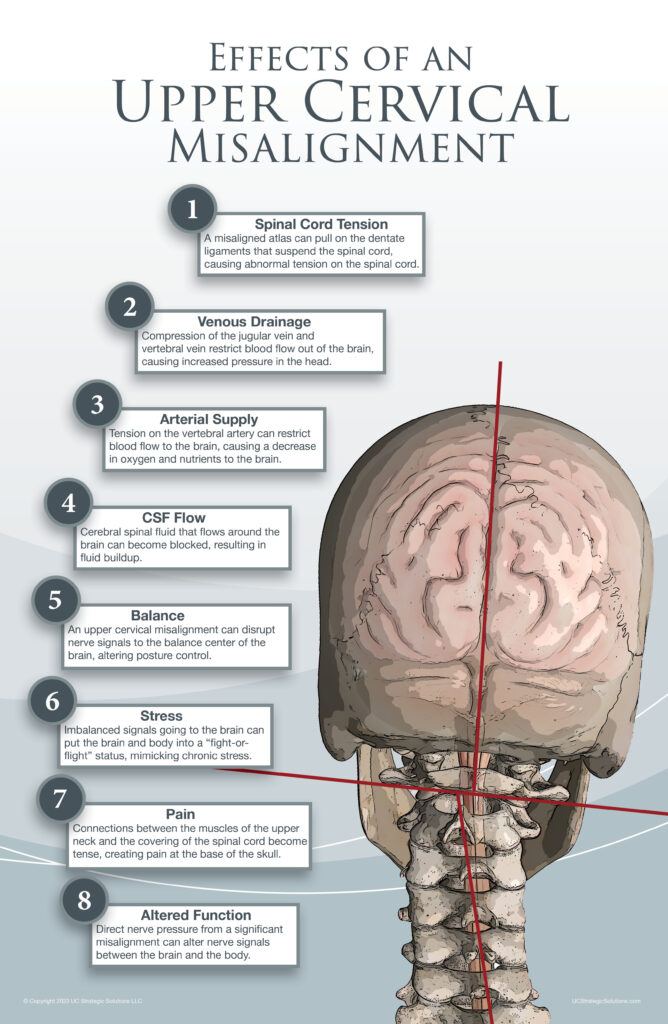
Your upper cervical spine includes the atlas and axis vertebrae, commonly called C1 and C2. These structures support your head and allow important neck movements. The muscles and joints throughout your neck and upper back work together to maintain comfortable positioning.
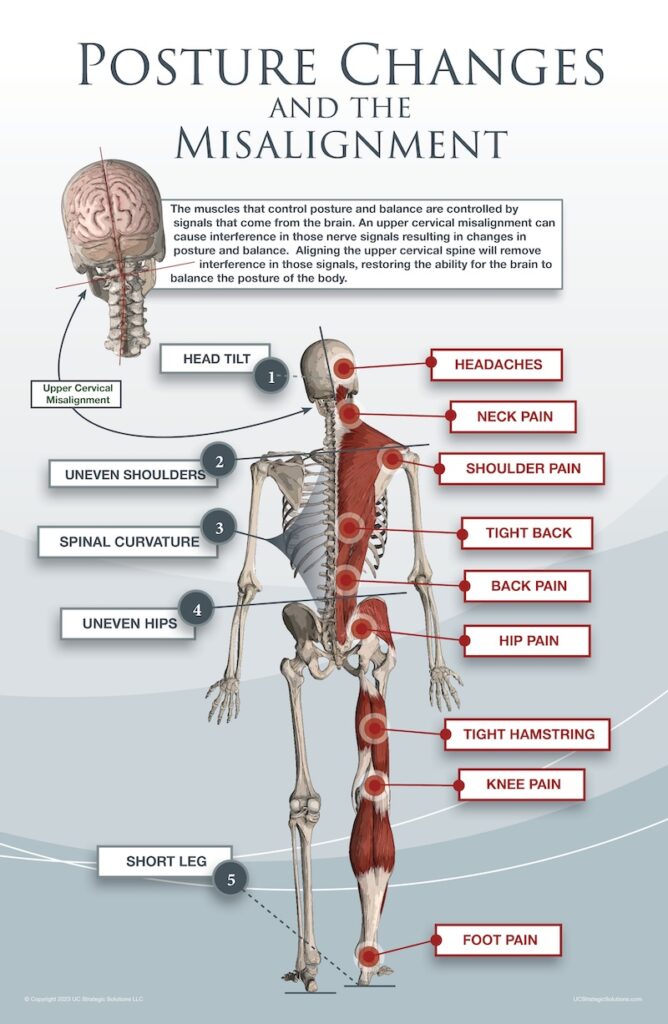
When you’re repeatedly looking downward, reaching overhead, or holding an uncomfortable posture, those supporting structures may experience additional strain. However, neck and back pain can have many causes, including muscle overuse, joint conditions, and injuries. A careful evaluation can help narrow down what may be contributing to your symptoms.
What Is NUCCA Chiropractic Care?
NUCCA stands for the National Upper Cervical Chiropractic Association. This specialized chiropractic approach focuses on evaluating the relationship between the head and upper cervical spine. The method uses a gentle, precisely directed adjustment without twisting the neck. At Stork Spinal Care, Dr. Robert Stork and Dr. Kelly Mix use detailed evaluations and individualized analysis to determine whether NUCCA care may be appropriate.
Some patients report improvement in neck or back symptoms with upper cervical chiropractic care, and results vary. Research specifically supporting NUCCA for holiday-related neck and back pain remains limited.
How NUCCA May Fit Into Your Holiday Wellness Routine
If neck or back discomfort continues despite adjusting your activities, a professional evaluation may help identify possible contributing factors. At Stork Spinal Care, we evaluate upper cervical alignment and consider whether NUCCA is suitable for each patient. Regular activity, appropriate strengthening, comfortable working positions, and adequate rest remain important. Depending on your symptoms, your healthcare provider may also recommend other treatments or further medical evaluation.
Make Your Comfort a Priority at Stork Spinal Care
Persistent neck and back discomfort can make it harder to enjoy family traditions. If you’re experiencing recurring stiffness or pain, Dr. Robert Stork and Dr. Kelly Mix at Stork Spinal Care can evaluate whether upper cervical alignment concerns may be contributing to your symptoms. Our NUCCA approach emphasizes precise assessment and individualized care.
About Stork Spinal Care in Boise, Idaho
Stork Spinal Care provides specialized NUCCA upper cervical chiropractic care for patients throughout Garden City, Boise, Meridian, Eagle, Kuna, Star, Nampa, Caldwell, Middleton, and the surrounding Treasure Valley. Led by Dr. Robert Stork and Dr. Kelly Mix, the practice focuses exclusively on the gentle, precise NUCCA method to improve upper cervical alignment without twisting, popping, or forceful adjustments. Through detailed evaluation, advanced analysis, and individualized care, Stork Spinal Care helps patients pursue better health by addressing structural imbalance rather than simply treating symptoms.