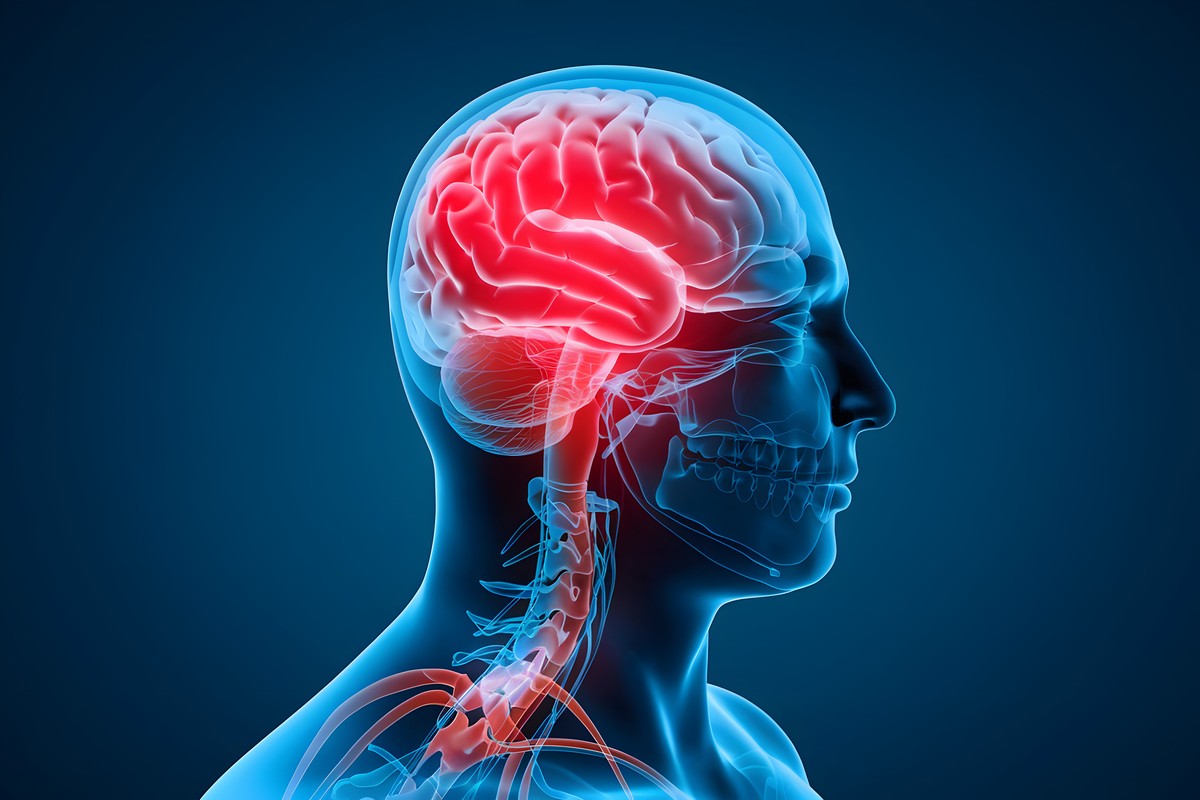
Exploring the Brain-Body Connection: The Limbic System
Have you ever noticed how emotional stress can cause your shoulders to tighten or your neck to become uncomfortable? Conversely, persistent physical discomfort can affect your mood, concentration, and ability to relax. These experiences illustrate the complex relationship between the brain and body.
At Stork Spinal Care in Garden City, Idaho, we frequently discuss the relationship between the upper cervical spine and nervous system function. One particularly fascinating area of neuroscience involves the limbic system and its role in processing emotions, physical sensations, and stress.
What Is the Limbic System?
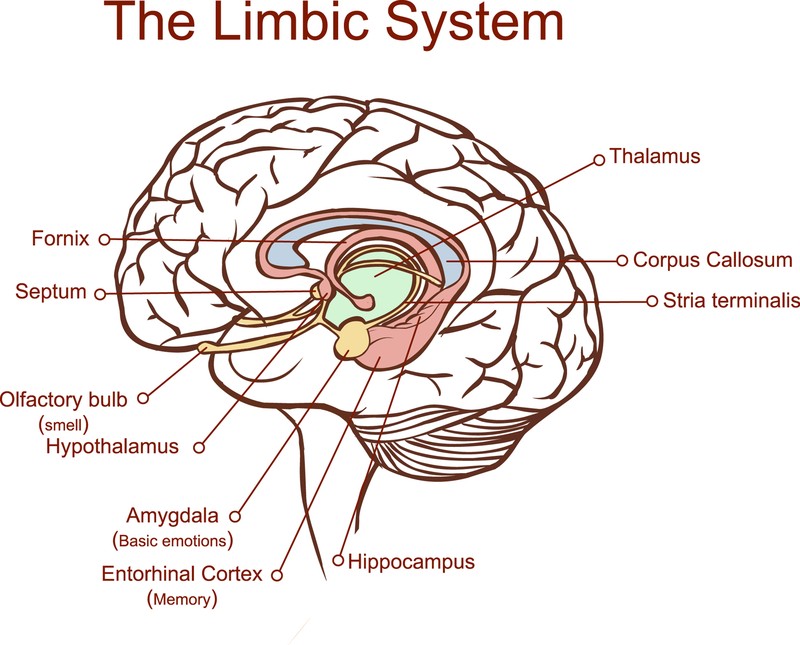
The limbic system encompasses several interconnected brain structures involved in emotion, memory, motivation, and behavior. Rather than functioning independently, these structures communicate with other regions of the brain to help coordinate responses to our surroundings and experiences.
Several important structures participate in this complex network:
- Amygdala: Helps process emotions and identify potential threats.
- Hippocampus: Plays an important role in forming memories.
- Hypothalamus: Helps regulate hormones and coordinate physiological responses.
- Cingulate cortex: Participates in emotional processing, attention, and aspects of pain perception.
Together, these structures help explain why physical experiences can influence emotional well-being and why emotional experiences can produce physical reactions.
How Does the Upper Cervical Spine Communicate With the Brain?
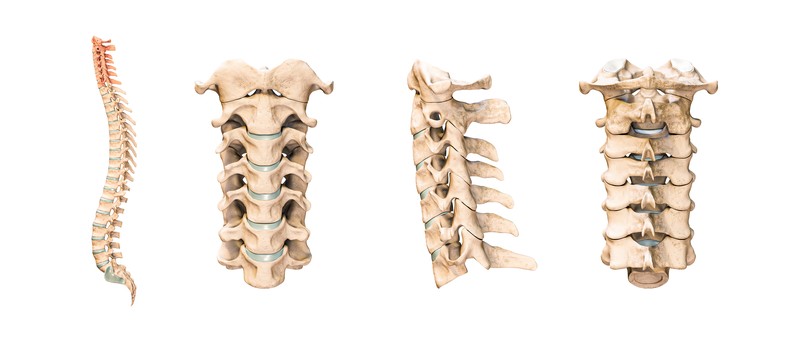
The upper cervical spine consists of the atlas (C1) and axis (C2), the two uppermost vertebrae in your neck. This region supports the head while allowing considerable movement and rotation. However, its significance extends beyond mechanical support. Muscles and other structures surrounding the upper cervical spine contain specialized sensory receptors that provide the nervous system with information about movement and body position.
These receptors contribute to proprioception, your body’s ability to sense where its various parts are positioned without consciously looking at them.
What Are Mechanoreceptors?
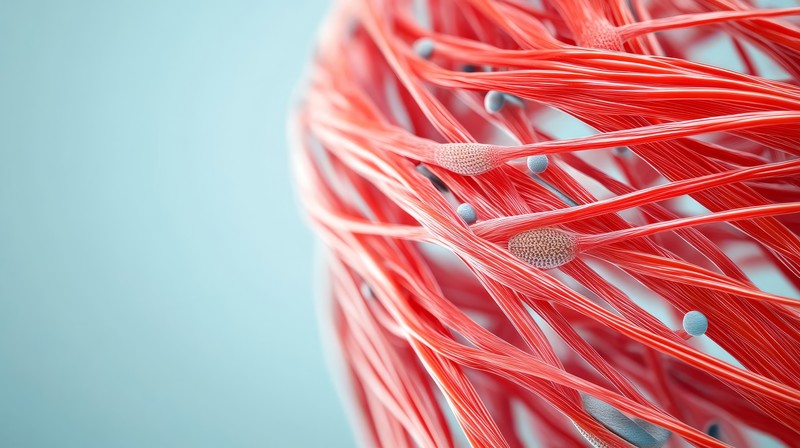
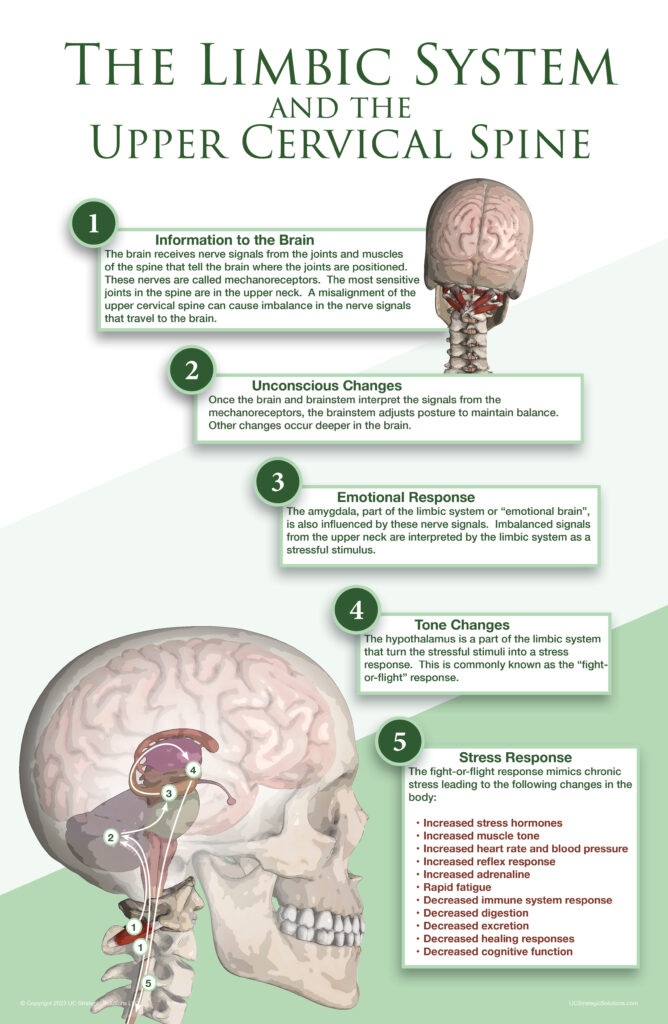
Mechanoreceptors respond to physical changes such as movement, pressure, and stretching. Certain types of these receptors provide information that helps the brain coordinate posture and movement. Interestingly, the small muscles near the base of the skull contain a particularly high concentration of muscle spindles, which are specialized sensory receptors. These structures provide valuable information about head and neck positioning.
The brain integrates this information with signals from the eyes and inner ears. Consequently, these systems work together to support balance, coordination, and orientation.
Your Brain Makes Unconscious Postural Adjustments

Throughout the day, your nervous system continuously processes sensory information and adjusts without requiring conscious effort. For example, you don’t need to deliberately instruct individual muscles to contract every time you tilt your head. However, research suggests that neck pain can affect proprioception and the coordination of cervical muscles. Altered sensory information may contribute to changes in movement patterns and muscular tension.
Researchers continue to explore how these changes interact with pain perception and broader nervous system function.
The Limbic System and Emotional Responses
The amygdala helps the brain evaluate the emotional significance of experiences, including potentially threatening situations. Although people frequently associate this structure with fear, it participates in other emotional processes as well.
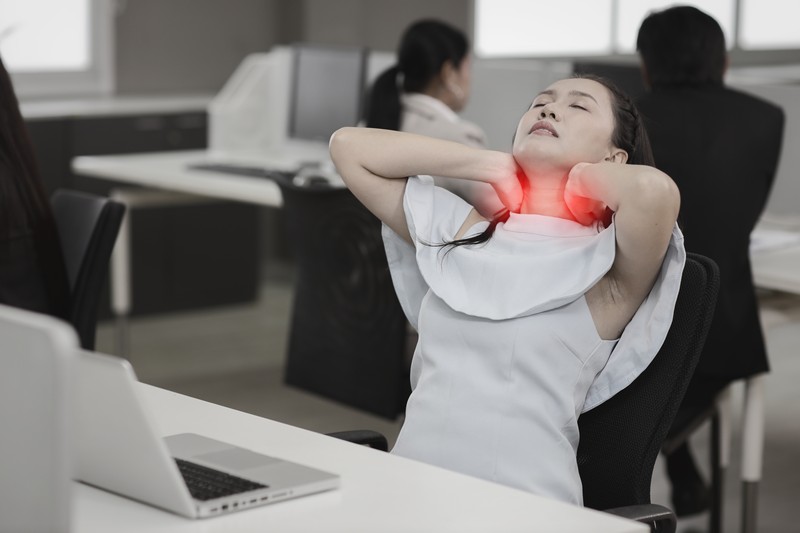
Physical discomfort can also influence emotional processing. For example, someone experiencing persistent neck pain may become frustrated, anxious, or increasingly attentive to uncomfortable sensations.
Meanwhile, emotional stress can contribute to increased muscular tension, potentially creating a cycle in which physical discomfort and emotional distress reinforce one another.
How Does the Fight-or-Flight Response Work?
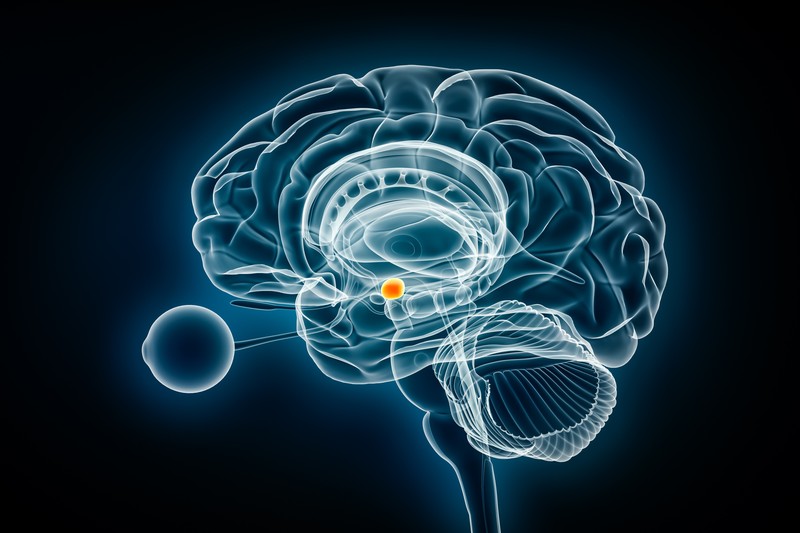
When the brain identifies a potential threat, the hypothalamus helps coordinate a physiological response through the autonomic nervous system and hormonal pathways. This reaction, commonly called the fight-or-flight response, prepares the body to respond to challenging circumstances.
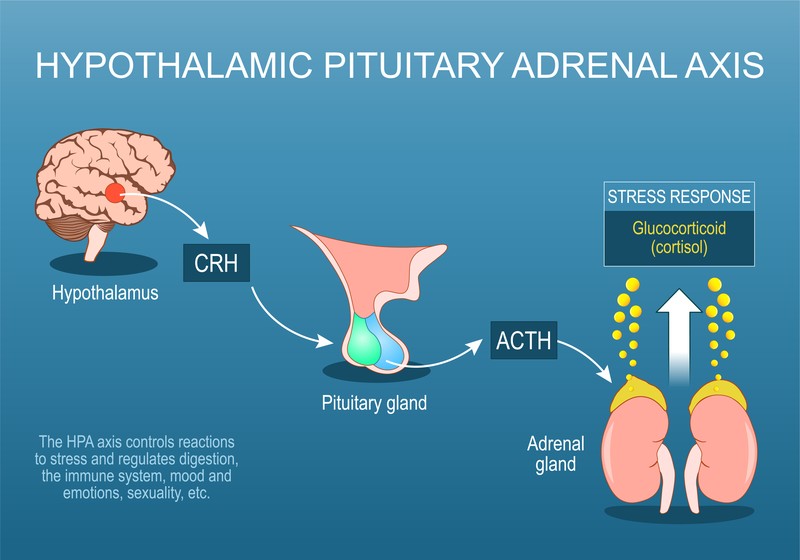
Short-term stress responses may include:
- Increased heart rate
- Elevated blood pressure
- Increased muscular tension
- Release of adrenaline
- Changes in breathing patterns
- Temporary changes in digestive activity
Under appropriate circumstances, these responses serve important protective functions. However, prolonged or repeated stress may contribute to fatigue, sleep disturbances, and other health concerns.
Can Upper Cervical Misalignment Cause Chronic Stress?
The relationship between cervical sensory information, pain perception, and stress regulation represents an intriguing area of ongoing research. Scientists continue investigating how changes in musculoskeletal function may interact with the nervous system.
However, chronic stress has numerous potential causes, including psychological, environmental, and medical factors. Current research does not establish that upper cervical misalignment directly causes chronic activation of the limbic system or that spinal adjustments can independently resolve such problems.
A comprehensive approach to health considers these various influences rather than attributing every symptom to a single cause.

Where Does NUCCA Upper Cervical Care Fit In?
NUCCA, which stands for the National Upper Cervical Chiropractic Association, focuses on the relationship between the upper cervical spine and overall spinal alignment.
At Stork Spinal Care, Dr. Robert Stork and Dr. Kelly Mix use detailed evaluations to determine whether NUCCA care may be appropriate for individual patients. This gentle, precise approach addresses structural considerations without twisting or forceful neck movements.
Although researchers continue to investigate how chiropractic interventions may influence nervous system activity, NUCCA care is not a substitute for medical or mental health treatment.
Supporting Your Overall Well-Being
Maintaining a healthy relationship between physical activity, emotional wellness, and adequate recovery becomes particularly important during demanding periods of life. Regular movement, sufficient sleep, appropriate healthcare, and effective stress management can all contribute to overall well-being.
If persistent neck discomfort or mobility concerns interfere with your daily activities, a professional evaluation may help identify potential contributing factors. Our team at Stork Spinal Care welcomes questions about upper cervical anatomy, spinal alignment, and our approach to individualized care.
About Stork Spinal Care in Boise, Idaho

Stork Spinal Care provides specialized NUCCA upper cervical chiropractic care for patients throughout Garden City, Boise, Meridian, Eagle, Kuna, Star, Nampa, Caldwell, Middleton, and the surrounding Treasure Valley. Led by Dr. Robert Stork and Dr. Kelly Mix, the practice focuses exclusively on the gentle, precise NUCCA method to improve upper cervical alignment without twisting, popping, or forceful adjustments. Through detailed evaluation, advanced analysis, and individualized care, Stork Spinal Care helps patients pursue better health by addressing structural imbalance rather than simply treating symptoms.