Do you experience recurring neck pain, headaches, or stiffness? You may have heard that the atlas vertebra could be involved. Located at the very top of your spine, the atlas plays an important role in supporting your head. It also enables your neck to move. Because of its location, problems involving this area can affect how comfortably your head and neck function together.
At Stork Spinal Care in Garden City, Idaho, we specialize in NUCCA upper cervical chiropractic care. It focuses on the relationship between the head, atlas, and upper cervical spine. Symptoms alone cannot establish that an atlas misalignment is present. However, understanding the anatomy and possible signs of upper neck dysfunction can help you recognize issues. Professional intervention and evaluation may be appropriate.

What Is an Atlas Misalignment?
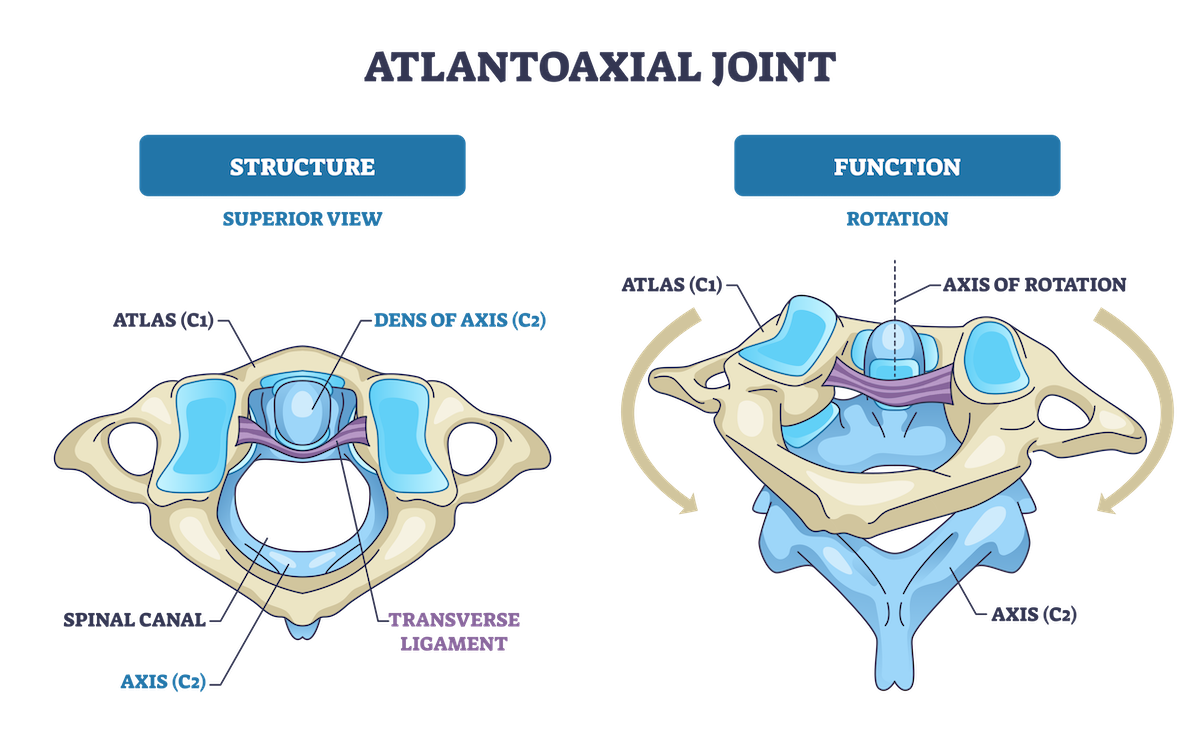
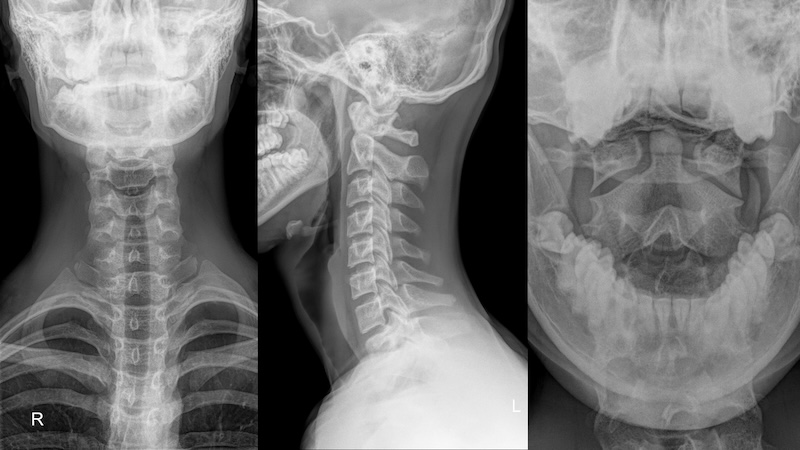
The atlas, also known as the C1 vertebra, is the first cervical vertebra directly beneath your skull. Together with the axis, or C2 vertebra, it forms part of the upper cervical region. This supports your head and allows important neck movements.
Unlike most vertebrae, the atlas has a ring-shaped structure. This helps accommodate the spinal cord and connects with the base of the skull. Because this region is involved in head positioning and movement, problems affecting its joints, muscles, or surrounding tissues may contribute to discomfort or restricted mobility.
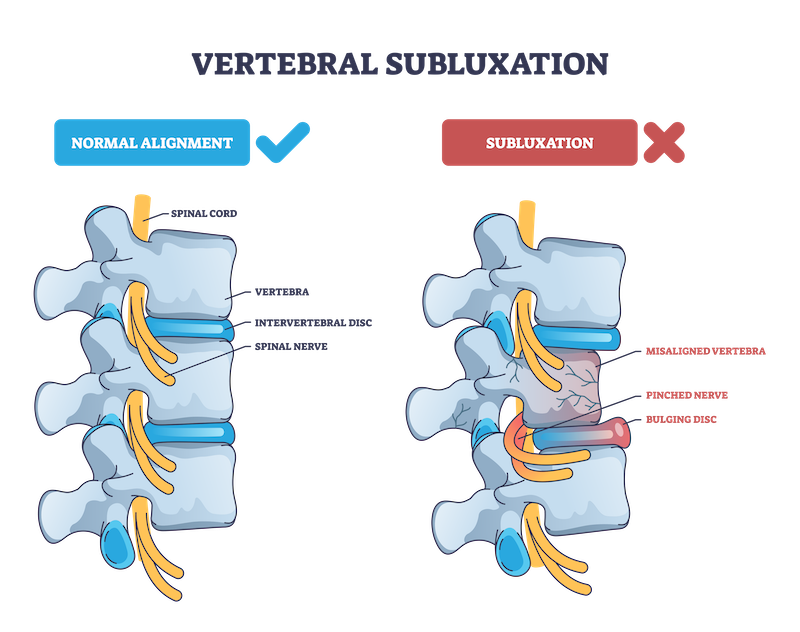
In upper cervical chiropractic terminology, the phrase “atlas misalignment” describes a perceived problem with the atlas’s position or relationship to surrounding structures. However, it is important to understand that this chiropractic concept is not the same as a medically diagnosed vertebral dislocation or instability. Furthermore, the presence of symptoms does not necessarily mean the atlas has shifted out of place.
What Symptoms May Be Associated With Upper Cervical Problems?

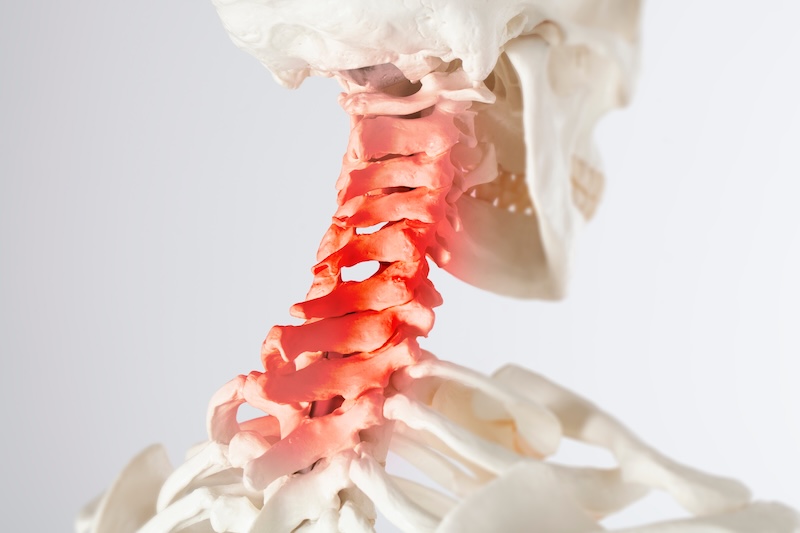
The upper cervical region contains joints, muscles, ligaments, and nerves that contribute to normal neck movement and sensation. Consequently, irritation or dysfunction in this area may be associated with several symptoms, although these symptoms can have many different causes.
Common concerns that may prompt an upper cervical evaluation include:
- Neck pain or stiffness, particularly near the base of the skull.
- Headaches that appear to originate in the upper neck.
- Reduced ability to turn or tilt the head comfortably.
- Muscle tension across the neck and upper shoulders.
- Discomfort associated with certain head positions.
- Recurring upper neck pain following an injury.
Some people also report dizziness or balance-related symptoms alongside neck discomfort. However, dizziness has numerous possible causes, including inner ear conditions, medications, and neurological disorders. Therefore, it should not automatically be attributed to an atlas misalignment.
Why Can Upper Neck Problems Contribute to Headaches?

The relationship between the upper cervical spine and headaches is particularly important because certain headaches can originate from structures in the neck. These are known as cervicogenic headaches, and they may involve pain that begins near the base of the skull before spreading toward other areas of the head.
Because sensory pathways from the upper cervical region interact with pathways involved in head pain, discomfort originating in the neck can sometimes be perceived elsewhere. As a result, a person may experience both restricted neck movement and recurring headaches.
Nevertheless, not every headache is cervicogenic. Migraines, tension-type headaches, medication-related headaches, and other conditions can produce overlapping symptoms. For that reason, identifying the headache type is essential before deciding which treatment approach is appropriate.
Can Atlas-Related Problems Cause Dizziness?

Some individuals experience dizziness alongside neck pain, particularly after an injury or during certain neck movements. In some cases, healthcare professionals may consider cervicogenic dizziness after evaluating and excluding other potential causes.
However, the relationship between neck dysfunction and dizziness is complex, and cervicogenic dizziness remains a diagnosis of exclusion. There is also insufficient evidence to conclude that an atlas misalignment is a common direct cause of dizziness.
If you’re experiencing persistent or unexplained dizziness, a medical evaluation is important. Furthermore, sudden dizziness accompanied by severe headache, weakness, difficulty speaking, double vision, or difficulty walking requires emergency medical attention.
What Can Cause Problems in the Upper Cervical Spine?
Upper neck discomfort may develop for several reasons. Although some people associate their symptoms with a particular injury, others notice gradual changes related to repetitive strain or prolonged positioning.
Possible contributing factors include:
- Whiplash or other neck injuries.
- Prolonged periods of looking downward at electronic devices.
- Repetitive movements or sustained awkward neck positions.
- Muscle strain and tension.
- Age-related changes affecting cervical joints.
- Previous injuries that influence neck mobility.
Because these conditions can affect different structures, determining the actual source of symptoms is more useful than assuming every problem involves the atlas itself.
How Does NUCCA Chiropractic Care Evaluate the Upper Cervical Spine?
NUCCA stands for the National Upper Cervical Chiropractic Association. This specialized chiropractic approach focuses on evaluating the relationship between the head and upper cervical spine, particularly the atlas vertebra.
At Stork Spinal Care, Dr. Robert Stork and Dr. Kelly Mix use NUCCA methods to assess patients and determine whether upper cervical chiropractic care may be appropriate. Rather than relying on forceful twisting or cracking of the neck, NUCCA uses a gentle, controlled adjustment technique.
The evaluation may include reviewing your health history, discussing symptoms, examining posture and neck function, and performing other assessments when clinically appropriate. These findings help guide recommendations based on the individual patient’s presentation.
Although some patients report improvements following upper cervical chiropractic care, research has not established that NUCCA can reliably correct all conditions attributed to atlas misalignment. Likewise, symptoms such as migraines or dizziness should not be assumed to have a spinal cause without appropriate medical assessment.
When Should You Seek an Upper Cervical Evaluation?

Occasional neck stiffness may improve with rest, movement, or changes in daily activities. However, when discomfort becomes persistent, interferes with normal activities, or repeatedly returns, a professional evaluation can help clarify what may be contributing to the problem. You may want to discuss your symptoms with a qualified healthcare professional if you experience recurring upper neck pain, headaches associated with neck movement, or limited mobility that affects your daily routine.
Importantly, symptoms following significant trauma, new neurological changes, or severe unexplained pain require prompt medical evaluation rather than routine chiropractic treatment.
Understanding Your Symptoms Is the First Step

When researching atlas misalignment symptoms or C1 misalignment symptoms, it’s easy to find long lists of conditions supposedly caused by the upper cervical spine. However, those lists often overlook the fact that similar symptoms can arise from many unrelated health problems.
At Stork Spinal Care, we believe understanding the relationship between your symptoms and your neck is an important starting point. Through our specialized NUCCA approach, we focus on evaluating upper cervical function and discussing whether our care may be appropriate for your needs.
If you’re experiencing recurring neck discomfort or have questions about upper cervical misalignment, our Garden City office serves patients from Boise, Meridian, Eagle, and the surrounding Treasure Valley.
About Stork Spinal Care in Garden City, Idaho
Stork Spinal Care specializes in NUCCA upper cervical chiropractic care in Garden City, Idaho. Dr. Robert Stork and Dr. Kelly Mix focus on gentle, precise upper cervical adjustments designed to address concerns involving the alignment and function of the upper cervical spine. We welcome patients from Boise and throughout the Treasure Valley who want to learn more about our specialized approach to chiropractic care.