
How Is Boise NUCCA Chiropractic Different From Traditional Chiropractic?

If you search for a Boise chiropractor, you will quickly discover that chiropractic care does not look exactly the same in every office. Some chiropractors use manual adjustments throughout the spine, while others incorporate multiple techniques, instruments, exercises, or therapies. At Stork Spinal Care, our primary focus is much more specialized: NUCCA upper cervical chiropractic care.
NUCCA stands for the National Upper Cervical Chiropractic Association. The technique focuses specifically on the relationship between the head and the uppermost portion of the neck, particularly the atlas, or C1 vertebra. Instead of twisting, popping, or forceful manipulation, NUCCA uses a gentle and highly precise approach based on detailed measurements and individualized analysis.
For people researching Boise chiropractic care and pain relief, understanding that distinction can make it easier to determine what type of chiropractic approach they want to explore.
What Is NUCCA Chiropractic?

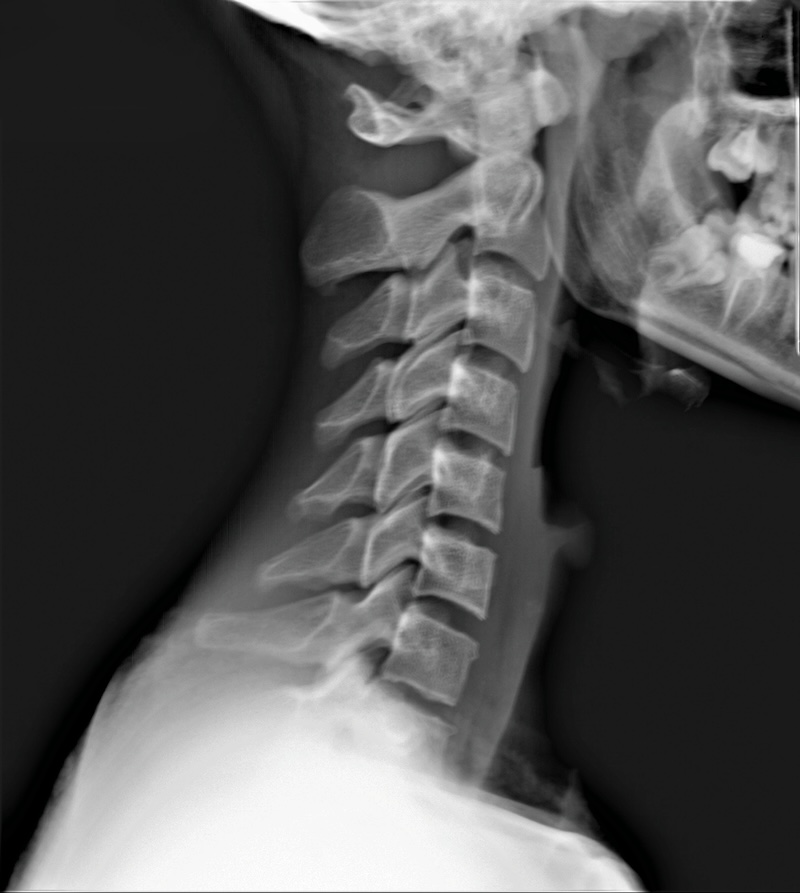
The upper cervical spine consists of the vertebrae at the top of your neck, directly beneath the skull. The first cervical vertebra, called the atlas or C1, supports the head and plays an important role in the alignment of the head and neck. NUCCA chiropractic focuses on evaluating this upper cervical relationship and identifying misalignment patterns. Rather than routinely adjusting multiple areas of the spine, we use detailed evaluation and analysis to determine whether an upper cervical correction is appropriate and, if so, the precise direction in which that correction should occur.
This individualized approach is one of the defining characteristics of NUCCA. We are not simply identifying where someone hurts and applying an adjustment to that location. Instead, we evaluate structural alignment and consider how an imbalance at the top of the spine may influence posture and mechanics throughout the body.
How Is NUCCA Different From Traditional Chiropractic?

People sometimes assume that every chiropractic adjustment involves lying on a table while a chiropractor twists the neck or back until they hear a pop. Although various forms of chiropractic care use different techniques, that familiar image does not describe NUCCA.
NUCCA adjustments are designed to use a calculated, gentle force without rapid twisting or popping. Patients are often surprised by how subtle the correction feels.
Some of the key differences include
- Upper cervical focus: NUCCA concentrates on the relationship between the head, atlas, and upper cervical spine.
- Detailed analysis: We use precise measurements to evaluate alignment before determining how to make a correction.
- No twisting or popping: The technique does not rely on forceful rotation of the neck.
- Individualized corrections: The direction of the adjustment is based on each patient’s specific alignment pattern.
- Structural emphasis: Our goal is to address an identified imbalance rather than simply adjusting the area where symptoms appear.
For patients who feel apprehensive about traditional neck manipulation, the gentle nature of NUCCA can be one reason they decide to explore upper cervical chiropractic care.
Why Focus on the Atlas?
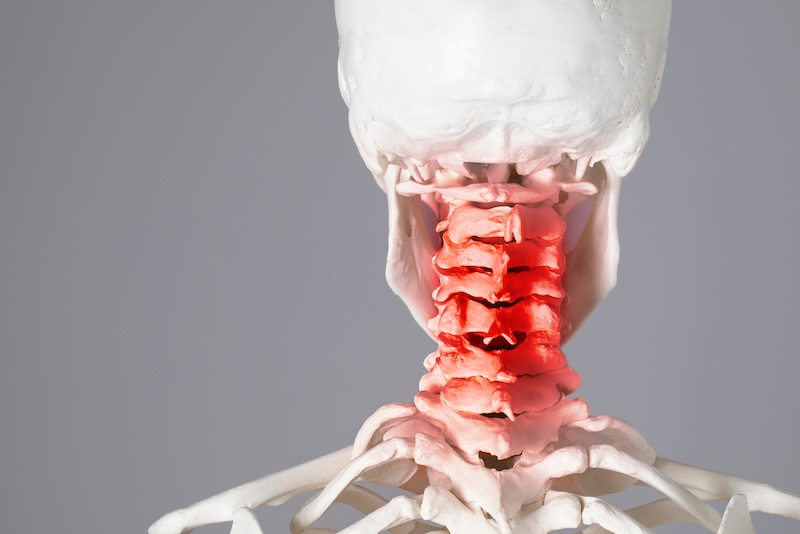
Your head weighs several pounds and must remain balanced over the rest of your body throughout the day. When the relationship between the head and upper cervical spine changes, the body may compensate in an effort to maintain balance. Those compensations can potentially affect posture throughout the body. For example, one shoulder may appear higher, the head may tilt, or the hips may become uneven as the body adapts to an altered structural position.
At Stork Spinal Care, we evaluate those relationships rather than looking only at the location where someone reports discomfort. A patient may visit us while seeking help for neck discomfort, headaches, or other concerns, but our NUCCA evaluation focuses on whether an upper cervical misalignment is present and how the body is responding to it.
Does a NUCCA Chiropractor Adjust You at Every Visit?

Not necessarily. One important goal of NUCCA care is for a correction to hold rather than repeatedly adjusting the same area simply because the patient came in for an appointment. We evaluate patients to determine whether the alignment has changed enough to warrant another correction.
If the correction is holding, we do not want to disturb it unnecessarily.
This can feel different for someone accustomed to chiropractic care where an adjustment occurs during nearly every visit. NUCCA places considerable emphasis on monitoring alignment and allowing the body time to adapt between corrections.
Why Do People Seek Boise Chiropractic Care?
People explore chiropractic care for many different reasons. Some begin searching for a Boise chiropractor because they have neck or back discomfort, while others are dealing with recurring headaches, stiffness, postural concerns, or discomfort that has persisted despite trying other approaches.
Common reasons someone might contact our office include:
- Neck discomfort or stiffness
- Headaches or migraines
- Back discomfort
- Postural imbalance
- Discomfort following an injury
- Interest in a gentle chiropractic technique
- Symptoms that seem to keep returning
However, NUCCA care is not about promising that one adjustment will cure a particular condition. Each person’s health history, symptoms, structure, and circumstances are different. Our first job is to evaluate the individual and determine whether our approach may be appropriate.

Chiropractic Pain Relief Versus Addressing the Structure
When someone is hurting, wanting relief is completely understandable. A person searching online for chiropractic pain relief in Boise is probably much more interested in feeling better than learning the technical details of the upper cervical spine.
However, symptoms do not always tell the complete story.
At Stork Spinal Care, we do not want to focus exclusively on the place that hurts while overlooking the structural relationships that may be relevant. NUCCA gives us a systematic way to evaluate the upper cervical spine, make a precise correction when indicated, and monitor how well that correction holds over time.
That approach is also why two patients who arrive with similar complaints may not receive identical care. Chiropractic care should begin with the person, not simply the symptom.
Finding the Right Boise Chiropractor for You

Choosing a chiropractor means choosing an approach to care, and asking questions can help you understand what a particular office actually does. Ask which chiropractic techniques the provider uses, what an adjustment involves, how patients are evaluated, and how the chiropractor determines when another adjustment is necessary. If you are specifically interested in gentle upper cervical care without twisting or popping, NUCCA chiropractic offers a distinctive approach.
At Stork Spinal Care in Garden City, we serve patients from Boise and throughout the Treasure Valley who want to explore specialized NUCCA care. Dr. Robert Stork and Dr. Kelly Mix focus on careful evaluation, precise upper cervical analysis, and individualized care designed around each patient’s structural needs.
For someone searching for a Boise chiropractor, understanding the differences among chiropractic techniques is an important place to start. The right question is not simply, “Where can I get adjusted?” It is also, “What type of chiropractic care makes sense for me?”
About Stork Spinal Care in Garden City, Idaho
Stork Spinal Care provides specialized NUCCA upper cervical chiropractic care for patients throughout Garden City, Boise, Meridian, Eagle, Kuna, Star, Nampa, Caldwell, Middleton, and the surrounding Treasure Valley. Led by Dr. Robert Stork and Dr. Kelly Mix, the practice focuses exclusively on the gentle, precise NUCCA method to improve upper cervical alignment without twisting, popping, or forceful adjustments. Through detailed evaluation, advanced analysis, and individualized care, Stork Spinal Care helps patients pursue better health by addressing structural imbalance rather than simply treating symptoms.