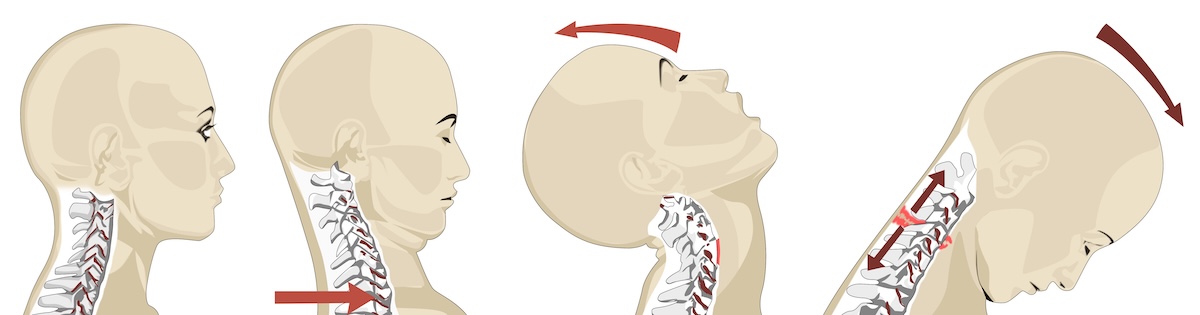
Upper Cervical Chiropractic After Whiplash: What Should You Know?

A car accident can leave you feeling shaken, even when the collision seems relatively minor. Although you may feel fine immediately afterward, neck pain, stiffness, and headaches can develop hours or days later. These symptoms may be associated with whiplash, a neck injury caused by sudden acceleration and deceleration. If you’re considering chiropractic care after whiplash in Boise, understanding your options is an important first step.
At Stork Spinal Care, we specialize exclusively in NUCCA upper cervical chiropractic care. Our gentle approach focuses on evaluating the alignment of the upper cervical spine, particularly the atlas vertebra. However, not every neck injury is appropriate for chiropractic care, especially immediately following an accident. That’s why understanding your symptoms and obtaining an appropriate medical evaluation should come first.

What Happens to Your Neck During Whiplash?
Whiplash occurs when your head moves rapidly backward, forward, or sideways during a sudden impact. This movement can strain muscles, ligaments, joints, and other soft tissues in your neck. Although rear-end collisions are commonly associated with whiplash, other accidents can cause similar injuries. Symptoms vary depending on the injury and may include several uncomfortable changes. Furthermore, some symptoms develop gradually rather than appearing immediately after the accident.
Common whiplash symptoms include:
- Neck pain, stiffness, or reduced range of motion
- Headaches, particularly near the base of the skull
- Shoulder or upper back discomfort
- Dizziness or difficulty concentrating
- Muscle tenderness and tension
- Tingling or unusual sensations in the arms
Because these symptoms can have several causes, an accurate diagnosis matters. Severe pain, weakness, numbness, or neurological changes require prompt medical attention. Additionally, worsening headaches, confusion, or other concerning symptoms after a collision should never be ignored.

Why the Upper Cervical Spine Deserves Attention
Your upper cervical spine consists of the atlas (C1) and axis (C2), located directly beneath your skull. These vertebrae support your head and contribute significantly to neck movement. Consequently, this region may be involved when your neck experiences sudden forces during a collision. The surrounding muscles, joints, and ligaments can also become irritated following an injury. However, symptoms alone cannot establish whether a vertebra has shifted out of alignment. A thorough evaluation helps determine which structures may be contributing to your discomfort.
At Stork Spinal Care, our NUCCA approach focuses on assessing upper cervical alignment. We use detailed measurements and individualized analysis rather than assuming every patient has the same problem. Furthermore, we consider whether our specialized care is appropriate for your circumstances.
How NUCCA Chiropractic Differs From Traditional Adjustments

If you’ve experienced traditional chiropractic treatment, you may expect twisting, cracking, or forceful neck manipulation. However, NUCCA uses a different approach that emphasizes precise positioning and gentle corrective contact. Our technique does not involve the rapid neck rotation commonly associated with some chiropractic methods.
NUCCA stands for the National Upper Cervical Chiropractic Association. The method focuses on evaluating the relationship between the head, atlas, and cervical spine. When appropriate, we use a carefully calculated, low-force adjustment intended to address an identified alignment concern.
For patients recovering from a recent accident, this distinction may be particularly important. Nevertheless, gentle does not automatically mean appropriate or risk-free following an injury. Medical clearance and an individualized assessment may be necessary before considering any chiropractic intervention.
What to Expect From a Whiplash Chiropractic Consultation
When you visit our Boise-area chiropractic practice after an accident, we begin by learning about your symptoms and medical history. We also want to understand when the collision occurred and whether you’ve received medical treatment. This information helps us determine whether further evaluation or referral is needed.
Depending on your circumstances, the assessment process may include:
- Health history: Reviewing symptoms, previous injuries, and relevant medical conditions.
- Postural evaluation: Observing posture and possible structural imbalances.
- Upper cervical analysis: Evaluating the relationship between your head and upper cervical spine.
- Imaging review: Considering appropriate imaging when clinically indicated.
- Care recommendations: Discussing findings, limitations, and potential next steps.
Not every patient will require the same evaluation or treatment. Additionally, some injuries require medical management rather than chiropractic intervention. Our priority is to help you understand your options and make informed decisions about your care.
Can Upper Cervical Chiropractic Help After Whiplash?

People searching for a chiropractor after whiplash often want relief from lingering neck discomfort or headaches. Although chiropractic approaches may be considered for certain neck-related symptoms, the research specifically supporting NUCCA for whiplash-associated disorders remains limited. Therefore, we cannot promise that an upper cervical adjustment will resolve an accident-related injury.
Instead, we evaluate whether upper cervical alignment concerns may be relevant to your overall presentation. If our findings suggest NUCCA care is appropriate, we’ll explain the proposed approach and what it involves. We also recognize the importance of coordinating with medical providers when symptoms require additional assessment.
Recovery from whiplash varies considerably. Some people improve within weeks, while others experience persistent symptoms requiring ongoing medical evaluation. Consequently, treatment decisions should reflect your individual diagnosis rather than a predetermined schedule of adjustments.
When Should You Seek Medical Attention First?

Following a collision, it’s important not to assume that neck discomfort is simply muscular soreness. Certain injuries may involve fractures, nerve damage, or other conditions requiring medical care. Furthermore, some symptoms can signal a more serious problem. Seek urgent medical evaluation if you experience severe or worsening neck pain, weakness, numbness, or difficulty walking. New confusion, a severe headache, fainting, or other neurological symptoms also require immediate attention. Even without these warning signs, a healthcare professional can help assess persistent pain after an accident.
Once serious injuries have been ruled out, you can explore appropriate options for managing ongoing symptoms. Depending on your diagnosis, those options may include guided exercise, physical therapy, medication, or other conservative approaches.
Looking for Upper Cervical Chiropractic Care in Boise?

Choosing a chiropractor after whiplash involves more than finding the closest office. You should understand the practitioner’s methods, experience, and approach to evaluating accident-related symptoms. Additionally, you should feel comfortable asking about potential benefits, risks, and alternatives.
At Stork Spinal Care, Dr. Robert Stork and Dr. Kelly Mix provide specialized NUCCA chiropractic care for patients throughout Boise and the rest of the Treasure Valley. Our focus is gentle, precise upper cervical evaluation and individualized recommendations. If you’ve been medically evaluated after an accident and want to learn whether NUCCA may be appropriate, contact our office to schedule a consultation.

About Stork Spinal Care in Boise, Idaho
Stork Spinal Care provides specialized NUCCA upper cervical chiropractic care for patients throughout Garden City, Boise, Meridian, Eagle, Kuna, Star, Nampa, Caldwell, Middleton, and the surrounding Treasure Valley. Led by Dr. Robert Stork and Dr. Kelly Mix, the practice focuses exclusively on the gentle, precise NUCCA method to improve upper cervical alignment without twisting, popping, or forceful adjustments. Through detailed evaluation, advanced analysis, and individualized care, Stork Spinal Care helps patients pursue better health by addressing structural imbalance rather than simply treating symptoms.