

Can Upper Cervical Misalignment Cause Dizziness When You Turn Your Head? Have you ever felt dizzy when turning your head to check traffic or look over your shoulder? Perhaps the room briefly seems unsteady when you move your neck. Although the sensation may last only seconds, it can make everyday activities uncomfortable.
Many people associate dizziness with inner-ear problems. However, the neck can sometimes contribute to symptoms involving balance and spatial awareness. At Stork Spinal Care in Garden City, Idaho, we help patients explore whether upper cervical problems may be contributing to their discomfort.
Why Do I Feel Dizzy When Turning My Head?

Your body relies on several systems to maintain balance. Your inner ears detect movement, your eyes provide visual information, and sensory receptors throughout your body communicate position and movement to your brain. The neck plays an important role in this process. Specialized receptors in cervical muscles and joints help your brain understand where your head sits in relation to your body.
When these signals don’t agree, some people experience dizziness or unsteadiness. However, dizziness when turning your head has several possible causes. Therefore, identifying the source matters before choosing treatment.
What Is Cervicogenic Dizziness?

Cervicogenic dizziness describes dizziness or imbalance believed to originate from problems involving the cervical spine. Healthcare providers sometimes use the terms cervical dizziness or neck-related dizziness. Unlike some forms of vertigo, cervical dizziness often feels more like unsteadiness than spinning. Symptoms may accompany neck pain, stiffness, or restricted movement.
For example, someone might feel off balance while looking over a shoulder. Another person may notice discomfort after holding their head in one position for an extended period. However, no single test confirms cervicogenic dizziness. Instead, clinicians evaluate symptoms and rule out other possible explanations before considering the neck as a contributing factor.
How Might the Upper Cervical Spine Affect Balance?

The upper cervical spine includes the atlas (C1) and axis (C2), the first two vertebrae beneath the skull. These structures allow much of the head’s rotation and support important movement patterns. Muscles and joints surrounding these vertebrae contain sensory receptors that communicate with the brain. Consequently, researchers have investigated whether altered neck movement or sensory input may contribute to dizziness.
Some people experience dizziness alongside neck pain, muscle tension, or limited rotation. In these cases, cervical dysfunction may be one part of the problem. Although people often describe these problems as upper cervical misalignment, dizziness alone doesn’t establish that a vertebra is misaligned. A thorough assessment helps determine whether the neck may be involved.
Common Symptoms Associated With Neck-Related Dizziness

Cervical dizziness can present differently from person to person. Some people notice symptoms during specific head movements, while others experience a more persistent feeling of imbalance.
Possible accompanying symptoms include:
- Dizziness when turning the head or neck
- Neck stiffness or reduced range of motion
- A sensation of unsteadiness rather than spinning
- Headaches associated with neck discomfort
- Symptoms that worsen during certain neck movements
- Difficulty feeling steady after prolonged neck positioning
These symptoms don’t automatically indicate a cervical problem. In fact, several vestibular and neurological conditions can produce similar experiences. Therefore, persistent or recurring dizziness deserves appropriate medical evaluation.
Could an Inner-Ear Problem Be Responsible?
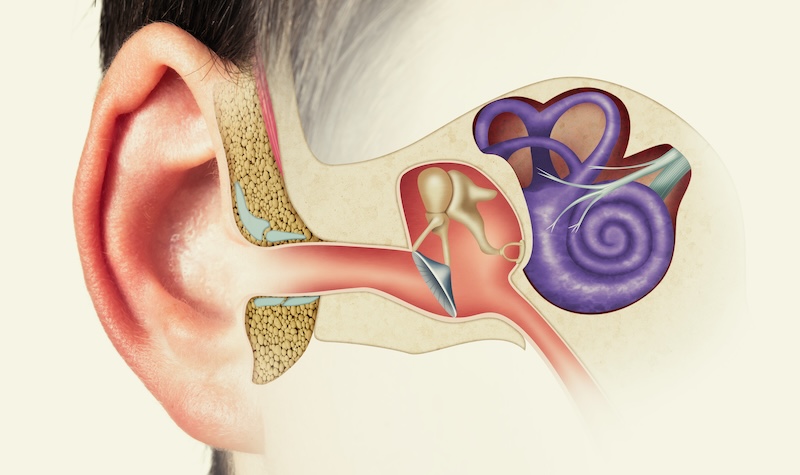
One common cause of dizziness triggered by head movement is benign paroxysmal positional vertigo, or BPPV. This occurs when tiny calcium carbonate crystals move into parts of the inner ear where they don’t belong. As a result, certain head positions can trigger brief episodes of spinning. For example, symptoms may occur when rolling over in bed, looking upward, or turning the head while lying down.
Other conditions, including vestibular migraine, medication effects, and blood pressure changes, can also cause dizziness. Because these conditions require different approaches, identifying the underlying cause is essential.
A healthcare provider may recommend vestibular testing or other examinations before considering neck-related treatment.
Can Previous Neck Injuries Contribute to Dizziness?
Some patients develop dizziness after a neck injury, particularly following a motor vehicle collision or whiplash. During whiplash, sudden acceleration and deceleration can strain muscles, ligaments, and joints in the cervical spine. This may affect neck movement and sensory information involved in balance. However, an accident can also cause concussion, vestibular injury, or other medical problems. Therefore, dizziness following trauma should receive medical evaluation rather than being attributed automatically to the neck.
Once serious causes have been excluded, addressing persistent cervical discomfort may become part of a broader recovery plan.
How Does NUCCA Chiropractic Care Approach Upper Cervical Problems?
NUCCA stands for National Upper Cervical Chiropractic Association. This chiropractic approach focuses on assessing the relationship between the head and upper cervical spine. At Stork Spinal Care, Dr. Robert Stork and Dr. Kelly Mix use NUCCA techniques to evaluate upper cervical alignment and provide gentle, individualized chiropractic care. Unlike traditional chiropractic adjustments that may involve twisting or forceful neck movements, NUCCA uses a carefully directed, low-force approach. For patients experiencing neck discomfort alongside dizziness, an upper cervical assessment may help identify musculoskeletal concerns worth addressing.
However, NUCCA has not been established as a treatment for dizziness itself. Research into cervical dizziness and chiropractic interventions remains limited. Accordingly, patients should not view upper cervical care as a substitute for medical or vestibular evaluation.
When Should Dizziness Be Evaluated Immediately?

Although many causes of dizziness are not emergencies, certain symptoms require urgent attention. Seek emergency medical care if dizziness occurs suddenly with:
- Difficulty speaking or understanding speech
- New weakness or numbness
- Double vision or sudden vision changes
- Severe headache or unusual neck pain
- Difficulty walking or loss of coordination
- Fainting or other concerning neurological symptoms
Sudden dizziness with these symptoms may indicate a serious medical condition, including stroke. Likewise, dizziness following significant head or neck trauma requires prompt medical assessment.
What If Your Neck and Dizziness Symptoms Occur Together?
If dizziness regularly accompanies neck stiffness, headaches, or restricted movement, discuss the pattern with your healthcare provider. Keep track of when symptoms occur, how long they last, and which movements trigger them. Also, notice whether you experience spinning, lightheadedness, or general unsteadiness.
These details can help distinguish cervical dizziness from vestibular or other medical conditions. Once your healthcare provider has evaluated other possible causes, a musculoskeletal assessment may offer additional information about neck function and discomfort.
Upper Cervical Care at Stork Spinal Care in Garden City, Idaho

If you experience neck discomfort along with dizziness when turning your head, Stork Spinal Care can evaluate your upper cervical spine as part of your overall care.
About Stork Spinal Care in Boise, Idaho
Stork Spinal Care provides specialized NUCCA upper cervical chiropractic care for patients throughout Garden City, Boise, Meridian, Eagle, Kuna, Star, Nampa, Caldwell, Middleton, and the surrounding Treasure Valley. Led by Dr. Robert Stork and Dr. Kelly Mix, the practice focuses exclusively on the gentle, precise NUCCA method to improve upper cervical alignment without twisting, popping, or forceful adjustments. Through detailed evaluation, advanced analysis, and individualized care, Stork Spinal Care helps patients pursue better health by addressing structural imbalance rather than simply treating symptoms.