
Can a Concussion Affect Your Neck? Understanding the Upper Cervical Connection

A concussion is a brain injury, but the impact that causes it can also affect the neck. After a fall, sports collision, or car accident, people may experience headaches, dizziness, neck stiffness, and difficulty concentrating. Because these symptoms can overlap, it is not always obvious whether they originate from the concussion, a cervical injury, or both.
At Stork Spinal Care, we meet people in Boise and the rest of the Treasure Valley who are concerned about lingering symptoms following an injury. Our focus is NUCCA upper cervical chiropractic care, which evaluates alignment and function near the top of the spine. Understanding where the neck fits into post-concussion care can help patients ask better questions and pursue appropriate evaluation.
Why a Head Injury Can Also Affect the Neck


A sudden blow or jolt can accelerate and rotate the head, placing forces on the muscles, joints, and ligaments of the cervical spine. This can happen during a rear-end collision, a fall, or a contact-sport injury, even when there is no direct blow to the neck. As a result, a person may have both a concussion and a separate neck injury.
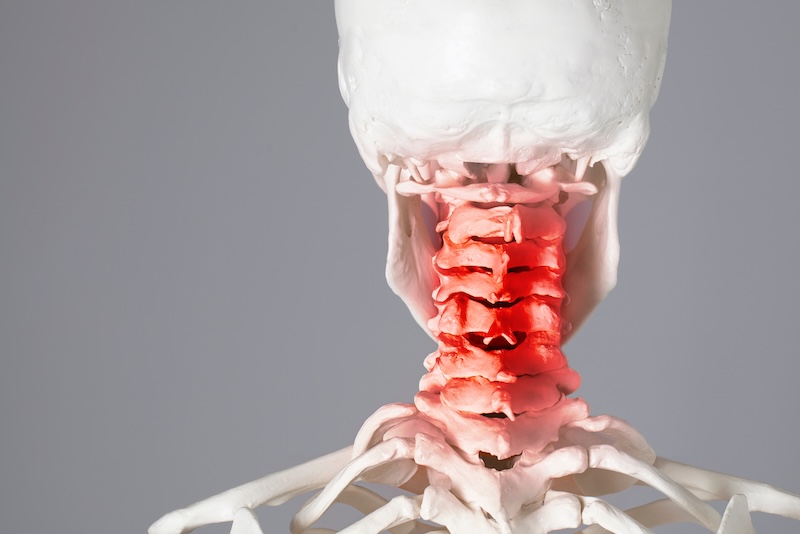
The upper cervical region includes the atlas (C1) and axis (C2), which support the skull and allow much of the head’s rotation. These structures work alongside muscles and nerves involved in head movement and position awareness. Irritation or dysfunction in the cervical region may contribute to symptoms that deserve assessment independently of the brain injury.
Which Concussion Symptoms Can Overlap?
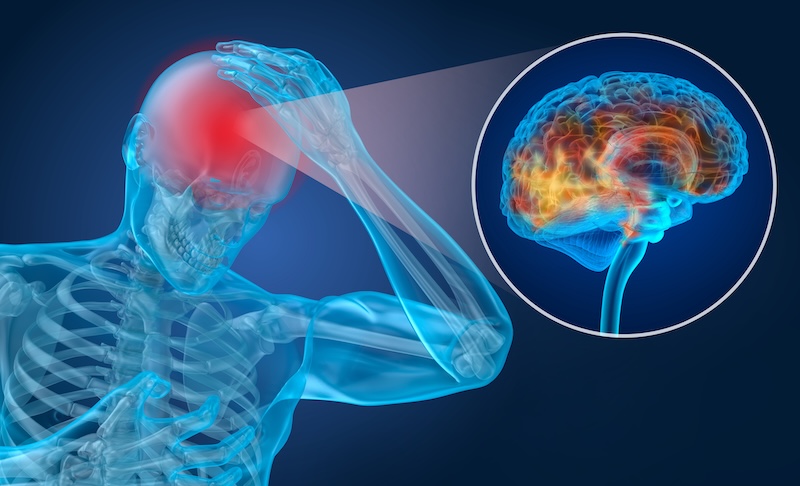
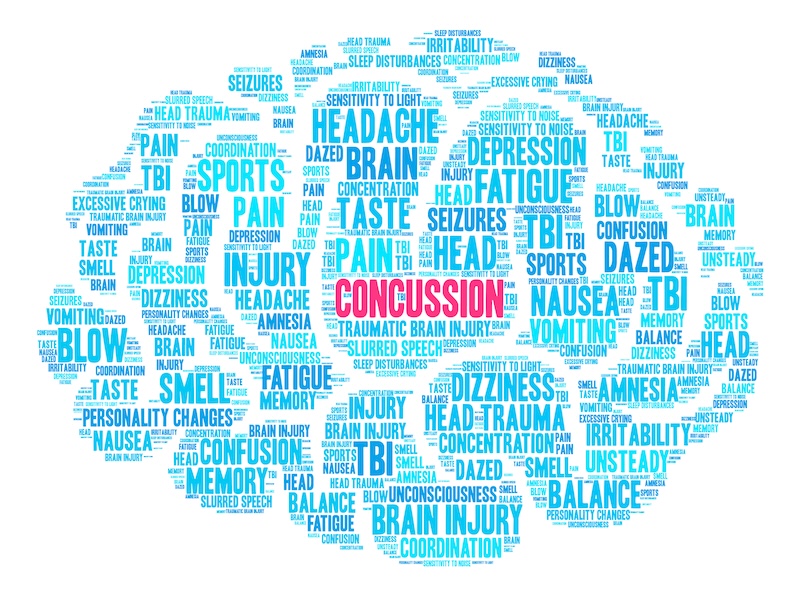
Neck-related problems and concussion can share several symptoms, making self-diagnosis unreliable. For example, a headache after an accident may be related to the concussion, neck structures, or another cause. Similarly, dizziness can arise from different systems, including vestibular, neurological, and cervical sources.
Symptoms worth discussing with a qualified healthcare professional include:
- Neck pain, stiffness, or reduced range of motion after an impact.
- Headaches that change with neck position or movement.
- Dizziness, balance difficulties, or discomfort with head movements.
- Persistent symptoms that interfere with sleep, work, or daily activities.
These symptoms do not prove an upper cervical misalignment, and they should not automatically be attributed to the neck. In particular, memory problems, confusion, light sensitivity, and other neurological symptoms warrant appropriate medical assessment. Identifying the source of symptoms is more useful than assuming a single explanation.
Medical Evaluation Comes First
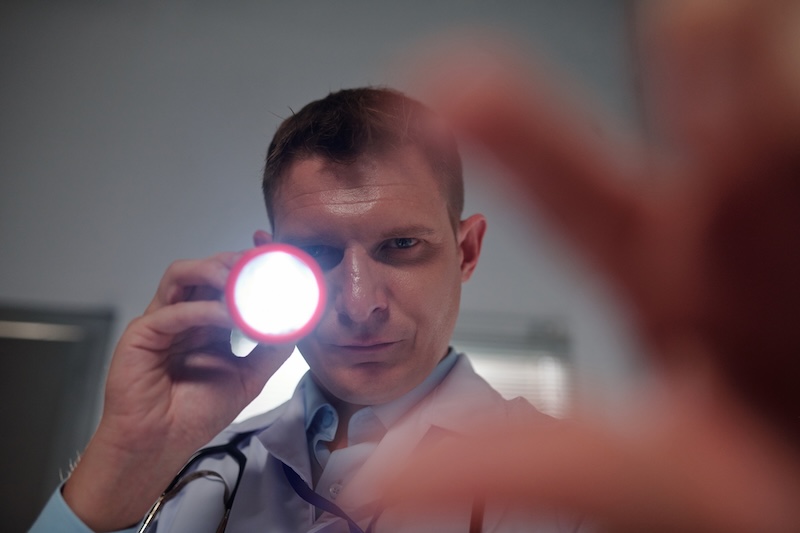
Anyone with a suspected concussion should receive appropriate medical guidance, especially when symptoms persist or worsen. Seek emergency care for warning signs such as a worsening severe headache, repeated vomiting, seizures, increasing confusion, weakness, or difficulty waking. A neck injury may also require urgent evaluation after significant trauma.
Concussion management can involve a clinician experienced in brain injuries, gradual return to activity, and targeted rehabilitation when indicated. Depending on symptoms, that may include vestibular therapy, physical therapy, or other specialized care. Chiropractic evaluation should not replace concussion diagnosis, medical monitoring, or clearance to return to sports.
Where NUCCA Fits Into the Conversation
NUCCA stands for the National Upper Cervical Chiropractic Association approach, a specialized method focused on the relationship between the head and upper cervical spine. At Stork Spinal Care, we use detailed assessments and individualized planning to determine whether upper cervical care is appropriate. Our adjustments are gentle and do not involve twisting, popping, or forceful neck manipulation.
For someone who has already received medical evaluation for a concussion, a separate assessment of persistent neck discomfort may be worth discussing with their healthcare team. However, research has not established NUCCA as a treatment that cures concussion or traumatic brain injury. Any discussion of possible neck-related contributors should remain distinct from claims about treating the brain injury itself.
Questions to Ask When Symptoms Linger
Recovery timelines vary, and some people continue to experience symptoms after the initial injury. Rather than guessing about the cause, patients can use follow-up visits to explore what has and has not been evaluated. A coordinated approach may help avoid overlooking treatable contributors to discomfort.
Consider asking your healthcare team:
- Has my neck been assessed separately from my concussion?
- Could cervical, vestibular, or visual problems be contributing to my symptoms?
- What activities are safe now, and when should I increase them?
- Would a referral for rehabilitation or another specialist be appropriate?

It can also help to record when symptoms occur, what makes them better or worse, and how they affect daily life. Sharing that information with your providers creates a clearer picture over time. Most importantly, avoid returning to contact sports or other high-risk activities until medically cleared.
A Thoughtful Approach to Upper Cervical Care in Boise
A concussion and a neck injury can occur during the same event, but they are not interchangeable diagnoses. Understanding that distinction matters when symptoms persist and patients are trying to decide what kind of help to seek. Careful assessment, appropriate referrals, and realistic expectations should guide the process.
At Stork Spinal Care, we provide NUCCA-focused upper cervical evaluations for people in Boise, Garden City, and surrounding communities. If you have lingering neck discomfort after an injury and have received appropriate medical assessment, we can discuss whether an upper cervical evaluation fits into your broader care plan.
About Stork Spinal Care in Boise, Idaho
Stork Spinal Care provides specialized NUCCA upper cervical chiropractic care for patients throughout Garden City, Boise, Meridian, Eagle, Kuna, Star, Nampa, Caldwell, Middleton, and the surrounding Treasure Valley. Led by Dr. Robert Stork and Dr. Kelly Mix, the practice focuses exclusively on the gentle, precise NUCCA method to improve upper cervical alignment without twisting, popping, or forceful adjustments. Through detailed evaluation, advanced analysis, and individualized care, Stork Spinal Care helps patients pursue better health by addressing structural imbalance rather than simply treating symptoms.