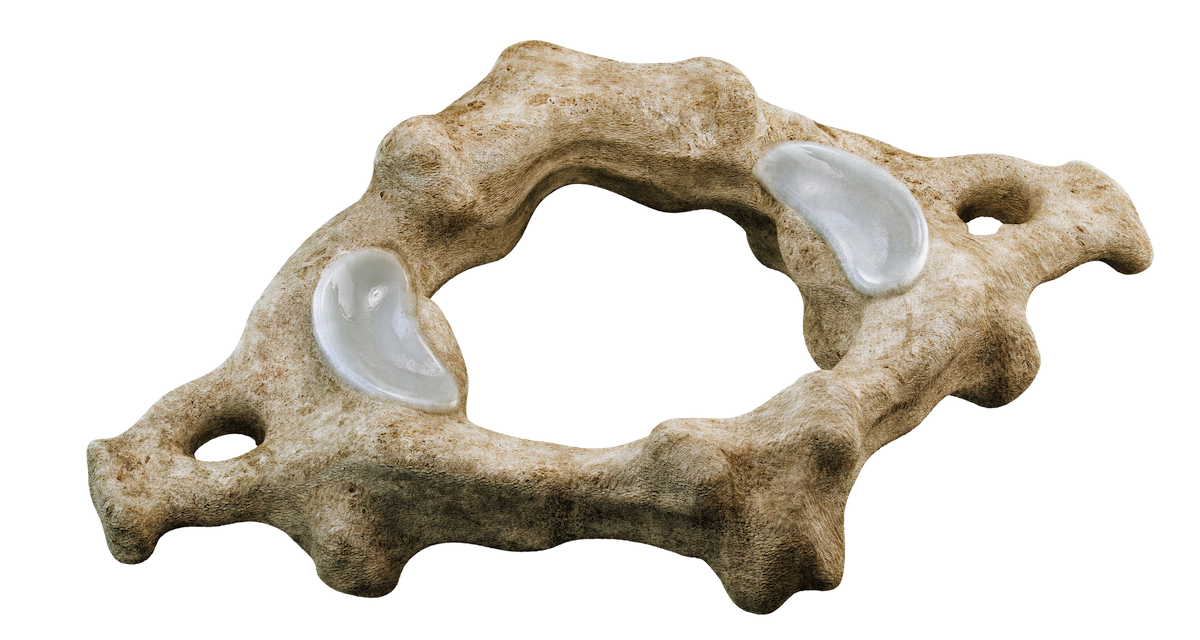
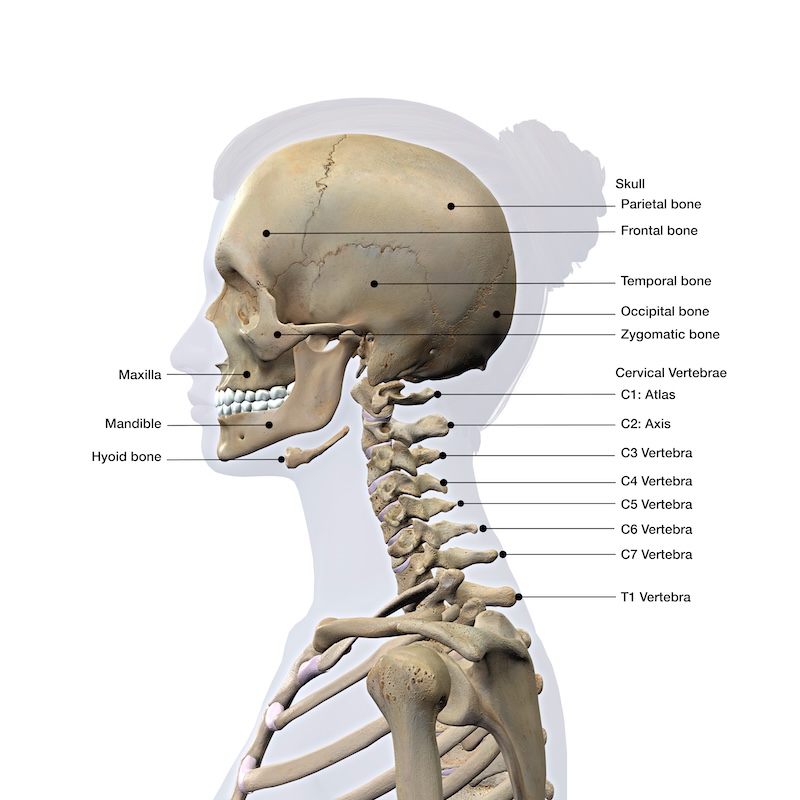
The top bone in your neck has a big job for something you may have never heard of. Called the atlas, or C1 vertebra, it sits directly beneath your skull and supports the weight of your head. Together with the axis, or C2 vertebra, it also helps provide the remarkable range of motion that allows you to turn, tilt, and move your head throughout the day.
Because of its location and function, the upper cervical area receives special attention in NUCCA chiropractic care. At Stork Spinal Care in Garden City, Idaho, we focus exclusively on the NUCCA method, which uses detailed analysis and gentle corrections designed to address upper cervical alignment without twisting, popping, or forceful manipulation.
So what could your atlas have to do with neck pain and headaches? Understanding the anatomy provides a good place to start.
What Exactly Is the Atlas?
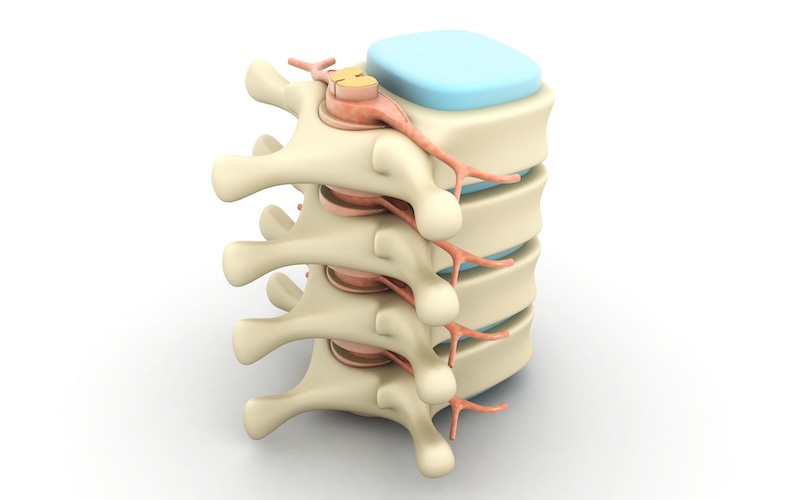
Your spine contains 24 movable vertebrae, plus the sacrum and coccyx. The seven vertebrae in your neck make up the cervical spine, and C1 sits at the very top. Unlike the vertebrae farther down your spine, the atlas has a distinctive ring-like shape. It supports your skull and works closely with C2 to allow movement of your head. That location makes the upper cervical region biomechanically important.
Your head weighs roughly 10 to 12 pounds in an average adult. Supporting that weight while allowing extensive movement requires coordination among the vertebrae, joints, muscles, ligaments, and other structures of the neck. When someone searches for C1 misalignment or atlas misalignment symptoms, they’re often trying to understand whether a problem in this area could contribute to symptoms they’re experiencing.
The answer requires more than simply matching a symptom to a vertebra.
Why Can C1 Matter With Neck Pain?
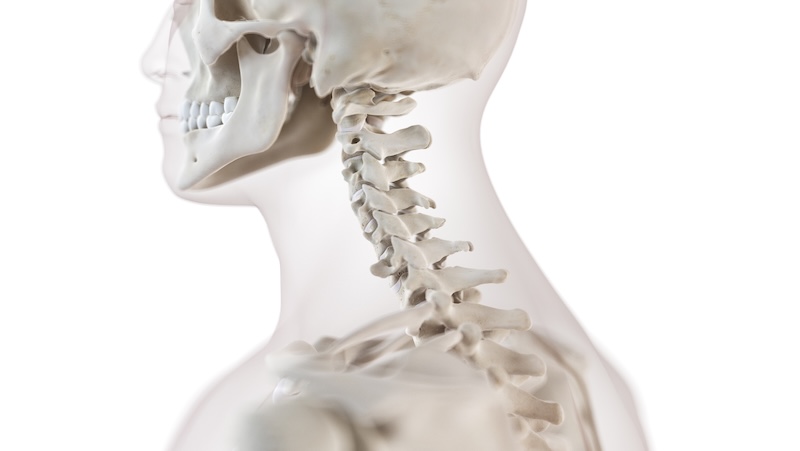
Neck pain can have many possible causes, including muscle strain, injury, joint changes, posture, repetitive movements, and other medical or musculoskeletal conditions. The upper cervical region represents one piece of that much larger picture.
When the relationship between the head, atlas, and the rest of the cervical spine changes, surrounding muscles and joints may have to adapt. Muscles can tighten as they work to support the head, and changes in movement patterns can contribute to discomfort or stiffness. People may notice reduced range of motion, tightness, tenderness, or pain in different areas of the neck.
However, symptoms alone don’t tell us whether the atlas sits out of its optimal alignment. That’s why NUCCA care relies on evaluation and analysis rather than assuming that neck pain automatically equals a C1 problem.
What About Headaches?

Headaches become more complicated because they can originate from many different sources. Dehydration, illness, stress, sleep disruption, migraines, medication effects, vision problems, and numerous other factors can contribute. Certain headaches can also involve structures in the neck.
These are often described as cervicogenic headaches, meaning the pain originates from a problem involving the cervical spine even though someone may feel that pain in the head. Muscles and joints in the upper neck can also contribute to patterns of discomfort that extend toward the base of the skull or head.
This doesn’t mean an atlas correction provides a universal treatment for headaches. Instead, it explains why evaluating the upper cervical region may make sense when someone experiences neck-related symptoms along with certain headache patterns. Persistent, severe, sudden, or unusual headaches deserve appropriate medical evaluation, particularly when accompanied by neurological or other concerning symptoms.
What Does “Atlas Misalignment” Mean in NUCCA?
NUCCA stands for the National Upper Cervical Chiropractic Association. The technique focuses on the relationship among the head, upper cervical spine, and overall postural balance

At Stork Spinal Care, we don’t simply feel the neck and make a general adjustment. NUCCA uses a detailed evaluation process designed to identify measurable upper cervical misalignment and determine the direction of correction when appropriate. That precision distinguishes NUCCA from chiropractic approaches that routinely manipulate multiple areas of the spine.
The correction itself uses a gentle, controlled force. There’s no twisting of the neck, no forceful movement, and no requirement for the popping or cracking sounds people often associate with chiropractic adjustments.
Why Doesn’t NUCCA Adjust C1 at Every Visit?

This is another important difference in our approach. Our objective isn’t to make an adjustment simply because you’ve scheduled an appointment. We evaluate whether the correction appears necessary.
Once the upper cervical correction has occurred, we want the body to maintain that alignment as long as possible. Repeatedly adjusting an area that doesn’t require correction would work against that philosophy. That’s why NUCCA care includes reassessment.
Rather than measuring success by how many adjustments someone receives, we pay attention to whether the correction holds and how the patient’s structural balance responds over time.
Should You See an Atlas Chiropractor?

People searching for an atlas chiropractor are often looking for a practitioner who specifically focuses on the upper cervical spine. NUCCA takes that specialization even further. Dr. Robert Stork and Dr. Kelly Mix at Stork Spinal Care focus exclusively on NUCCA upper cervical chiropractic care. That means our evaluation, analysis, and corrections center on this specialized method rather than combining it with routine full-spine manipulation.
If you’re experiencing neck pain or headaches, an evaluation can help determine whether upper cervical alignment may represent a relevant factor. Depending on your symptoms and history, another type of healthcare evaluation may also prove appropriate.
The important point is not to assume that every symptom originates from the atlas—or to ignore the upper cervical region simply because the discomfort appears somewhere else.
A Small Vertebra With an Important Role
C1 may be small, but its position directly beneath the skull gives it an important job. It supports your head, participates in neck movement, and forms part of a complex region involving joints, muscles, ligaments, nerves, and other structures. When evaluating neck pain and certain headache patterns, that anatomy deserves careful consideration.

At Stork Spinal Care, NUCCA gives us a precise, gentle way to evaluate and address upper cervical alignment when indicated. Rather than twisting or forcefully manipulating the neck, we use detailed analysis and an individualized correction designed specifically for the relationship between the head and upper cervical spine.
Because when you’re dealing with the vertebra that supports your head, precision matters.
About Stork Spinal Care in Garden City, Idaho
Stork Spinal Care provides specialized NUCCA upper cervical chiropractic care for patients throughout Garden City, Boise, Meridian, Eagle, Kuna, Star, Nampa, Caldwell, Middleton, and the surrounding Treasure Valley. Led by Dr. Robert Stork and Dr. Kelly Mix, the practice focuses exclusively on the gentle, precise NUCCA method to improve upper cervical alignment without twisting, popping, or forceful adjustments. Through detailed evaluation, advanced analysis, and individualized care, Stork Spinal Care helps patients pursue better health by addressing structural imbalance rather than simply treating symptoms.