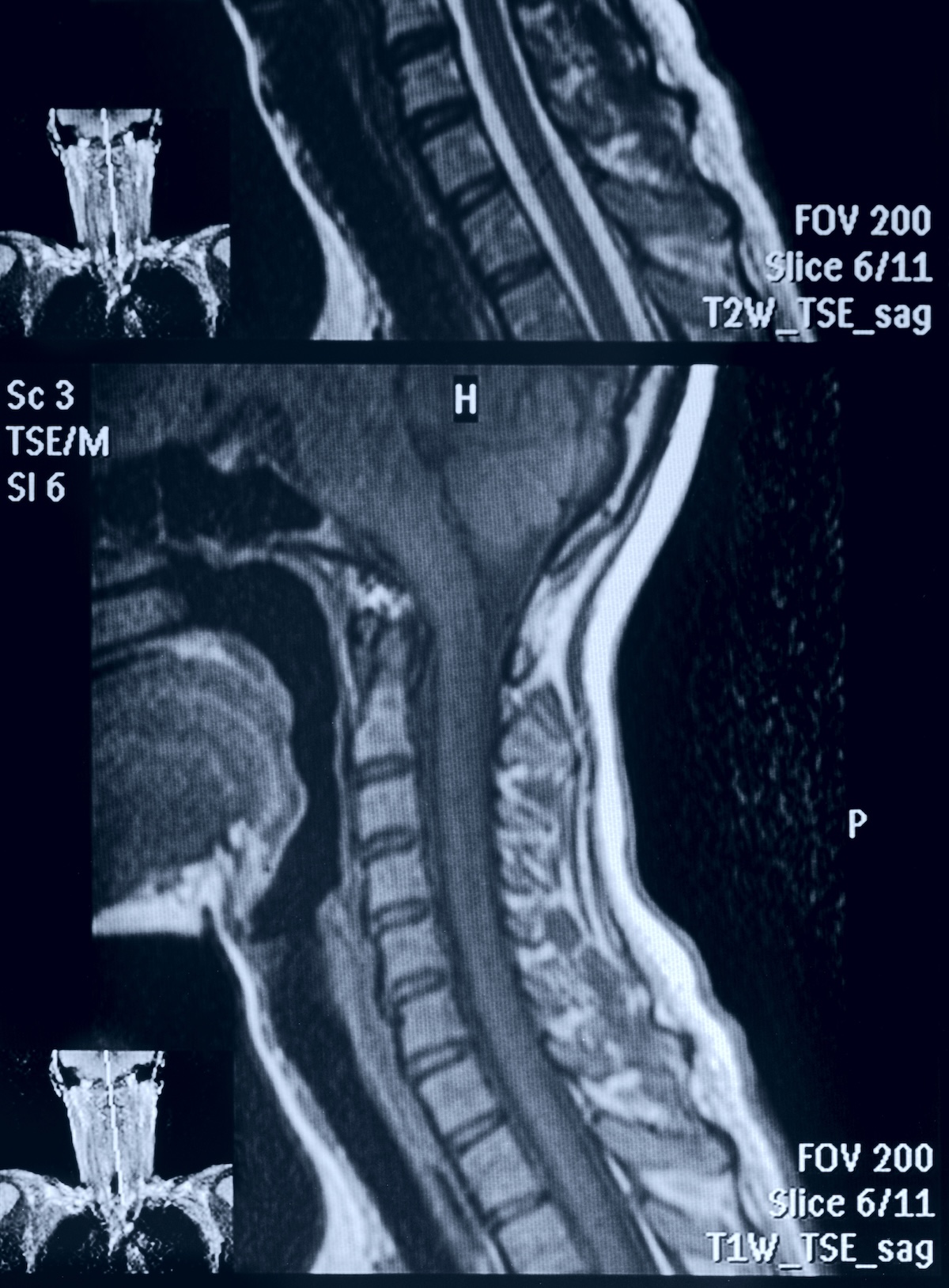
A Gentle, Precise Approach to Upper Cervical Care
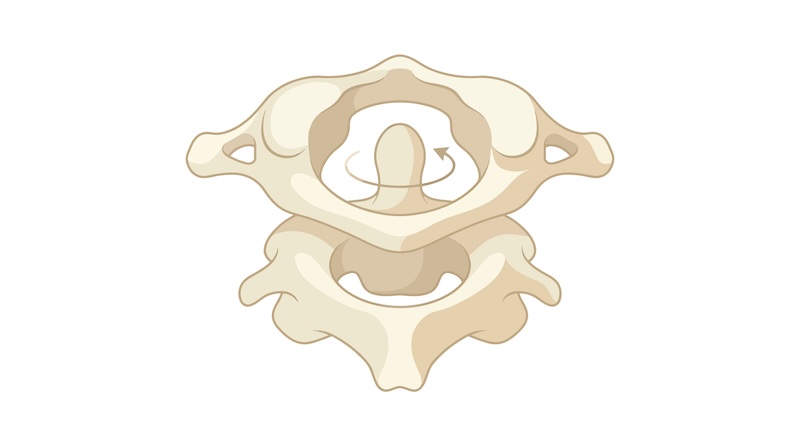
The word “chiropractic” may bring to mind twisting, popping, or forceful adjustments. NUCCA chiropractic takes a distinctly different approach. This specialized form of upper cervical care focuses on the relationship between the head, neck, spine, and nervous system using precise measurements and a gentle correction rather than forceful manipulation.
NUCCA stands for the National Upper Cervical Chiropractic Association, an organization founded in 1966 to advance education, research, and clinical standards surrounding the NUCCA procedure. At Stork Spinal Care in Meridian, Idaho, NUCCA provides the foundation for a highly individualized approach to chiropractic care.
What Does “Upper Cervical” Mean?
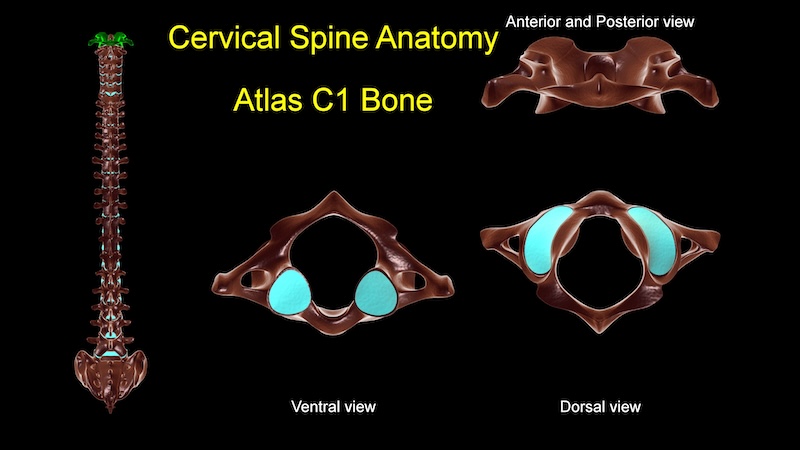
The upper cervical spine refers to the area at the very top of the neck, where the head connects with the spine. The first cervical vertebra, called the atlas or C1, sits directly beneath the skull, followed by the axis or C2.
This area plays an important structural role because it supports the head and contributes to the alignment of the spine below it. When evaluating a patient, a NUCCA practitioner focuses closely on the relationship between the skull, atlas, and rest of the spinal column. Rather than simply addressing the location where someone feels discomfort, NUCCA evaluates overall structural alignment.
How Is NUCCA Different From Traditional Chiropractic?

One of the first things new patients notice involves what a NUCCA adjustment doesn’t include. The procedure does not rely on the forceful twisting, popping, or cracking commonly associated with some forms of chiropractic manipulation.
Instead, the correction uses a light, highly specific force applied near the upper cervical area. The doctor determines the direction of that correction based on the patient’s individual measurements rather than delivering the same adjustment to everyone. NUCCA describes its procedure as a precise approach intended to improve alignment and postural balance.
For patients who feel apprehensive about traditional chiropractic adjustments, this gentleness can make NUCCA particularly interesting to explore.
Why Does NUCCA Focus on the Atlas?

The head weighs several pounds and rests on the relatively small atlas vertebra. When the relationship between the head and upper cervical spine changes, the body may compensate to maintain an upright position. Those compensations can potentially affect posture farther down the body. For example, the shoulders or hips may appear uneven as the body adjusts to changes higher in the spinal structure. Therefore, NUCCA practitioners evaluate more than the neck itself when examining alignment.
The goal is not to chase individual symptoms with adjustments throughout the spine. Instead, NUCCA focuses on the upper cervical relationship and evaluates how the rest of the body’s posture responds.
Precision Begins With Measurement

NUCCA places considerable emphasis on objective analysis. Rather than determining a correction based solely on where a patient reports discomfort, practitioners evaluate posture and use specific imaging and measurements to understand the individual’s alignment pattern. According to NUCCA, precise X-rays of the head and neck allow doctors to measure the relationship among the skull, atlas, and spine. Those measurements help determine the direction of the correction required for that particular patient.
That means two people who walk into the office with similar complaints may not receive identical care. Their anatomy and alignment patterns can differ, so NUCCA emphasizes an individualized approach rather than a one-size-fits-all adjustment.
What Happens During a NUCCA Adjustment?

After completing the appropriate examination and analysis, the patient typically lies on their side for the correction. The doctor then uses a carefully calculated position and light pressure near the upper portion of the neck. The procedure may feel surprisingly subtle. NUCCA explains that the technique uses biomechanical leverage to deliver the correction, which allows the practitioner to use relatively light pressure rather than forceful movement.
Afterward, the doctor can reassess posture and other objective findings to evaluate the body’s response. The process emphasizes precision before, during, and after the correction rather than adjusting multiple areas simply because they feel tight or uncomfortable.
Why Doesn’t NUCCA Adjust Every Sore Area?

This aspect of NUCCA can initially seem counterintuitive. If your lower back hurts, why would a chiropractor pay so much attention to your upper neck? The NUCCA approach considers how structural imbalance at the top of the spine may influence posture throughout the body. When the body compensates for an imbalance, muscles and joints elsewhere may experience uneven mechanical stress. NUCCA therefore focuses on improving overall structural balance rather than automatically adjusting the location where a patient reports symptoms.
This does not mean every ache or health problem originates in the upper cervical spine. A proper evaluation remains important for determining whether NUCCA care is appropriate for an individual patient.
Why Doesn’t the Doctor Adjust You at Every Visit?
Another important principle involves maintaining a correction rather than repeatedly performing one without evidence that it is necessary. If the alignment remains stable, the NUCCA approach does not call for another correction simply because the patient came into the office. Instead, the practitioner can reassess objective measurements and determine whether the correction continues to hold. This philosophy places the emphasis on stability rather than the number of adjustments performed.
For patients accustomed to thinking that every chiropractic appointment automatically includes an adjustment, this approach can feel quite different. The objective is not simply to perform more corrections but to determine when a correction is actually indicated.
What Makes NUCCA Such a Specialized Technique?
NUCCA requires practitioners to learn detailed imaging, analysis, biomechanics, patient positioning, and correction procedures. The organization provides continuing education and a voluntary Board Certification pathway that includes additional education, testing, mentorship, and assessment.
NUCCA’s practitioner directory currently identifies Dr. Robert A. Stork as a NUCCA member and Dr. Kelly Mix-Stork as a Level 2 candidate at Stork Spinal Care. This continuing education reflects the precision involved in applying a technique where small differences in measurements can influence how a practitioner approaches the correction.
What Can You Expect at Stork Spinal Care?

Your first experience with NUCCA involves much more than lying down for an adjustment. Because the technique depends on understanding your individual structure, evaluation comes first.
Depending on your needs, the process may include:
- A discussion of your health history and concerns
- Postural and structural evaluation
- Specific upper cervical imaging when clinically appropriate
- Detailed analysis and measurements
- An individualized correction when indicated
- Post-correction evaluation
- Follow-up monitoring to determine whether alignment remains stable
This methodical process helps explain why NUCCA care can feel very different from someone’s previous experience with chiropractic.
A Different Way to Think About Chiropractic Care

NUCCA chiropractic combines an extremely gentle correction with detailed analysis of the upper cervical spine. Instead of relying on forceful twisting or routinely adjusting multiple areas, the technique emphasizes measurement, precision, structural balance, and individualized care. For someone who has avoided chiropractic because they dislike the idea of popping or twisting the neck, learning about NUCCA may open the door to an approach they did not know existed. Likewise, patients searching for upper cervical chiropractic care in Meridian or the rest of the Treasure Valley may appreciate understanding exactly how this specialized technique differs.
At Stork Spinal Care, the goal begins with evaluating the individual rather than applying the same correction to everyone. By combining careful analysis with the gentle NUCCA procedure, the team provides a precise approach to upper cervical chiropractic care designed around each patient’s unique structure.
About Stork Spinal Care in Boise, Idaho
Stork Spinal Care provides specialized NUCCA upper cervical chiropractic care for patients throughout Garden City, Boise, Meridian, Eagle, Kuna, Star, Nampa, Caldwell, Middleton, and the surrounding Treasure Valley. Led by Dr. Robert Stork and Dr. Kelly Mix, the practice focuses exclusively on the gentle, precise NUCCA method to improve upper cervical alignment without twisting, popping, or forceful adjustments. Through detailed evaluation, advanced analysis, and individualized care, Stork Spinal Care helps patients pursue better health by addressing structural imbalance rather than simply treating symptoms.